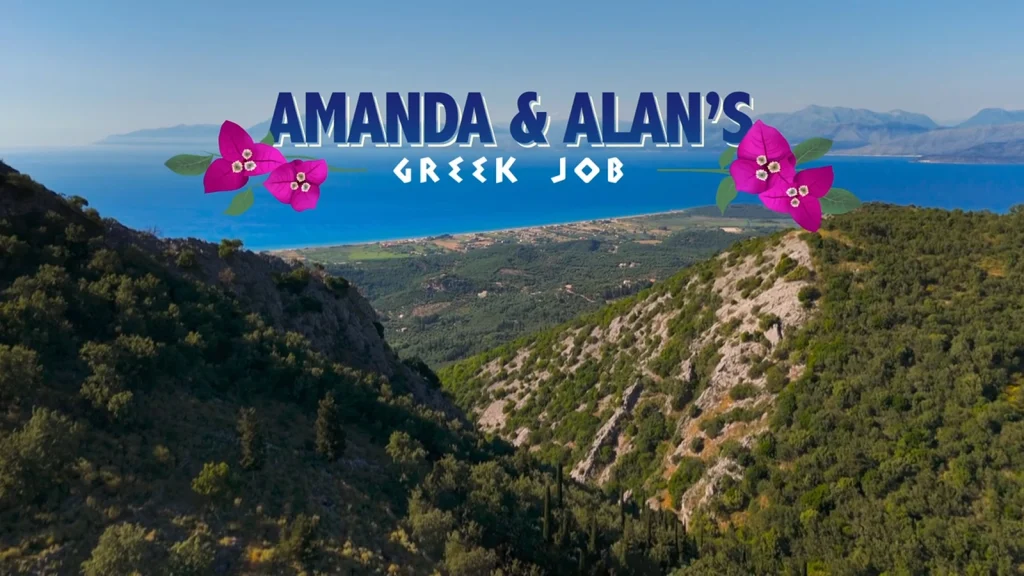
Amanda & Alan’s Greek Job episode 2 begins with a vibrant sense of cinematic aspiration as the participants reflect on the romantic allure of Greece. The setting is the hillside hamlet of Kokkini on the island of Corfu, where a neglected wreck awaits a comprehensive transformation into a beautiful holiday home. This ambitious restoration project serves as a focal point for exploring the intersection of traditional architecture and modern design. The participants draw inspiration from cultural touchstones like Mamma Mia and Shirley Valentine, seeking to imbue their project with a similar sense of freedom and vitality. This specific episode highlights the transition from initial demolition to the realization of a sophisticated living and dining space.
The significance of this Greek renovation lies in its attempt to preserve historic elements while creating a functional contemporary residence. Amidst the broader context of property rescue, the challenge involves managing structural integrity within the constraints of a rugged Mediterranean environment. The project team must navigate the difficulties of a neglected building that requires both brute force and delicate finishing. By focusing on the ground floor, the renovation sets a stylistic template for the rest of the house. The vision is clear: a neutral-toned, rustic-chic environment that respects the origins of the structure.
This article explores the multi-faceted process of the transformation, ranging from heavy structural work to refined interior design. Within Amanda & Alan’s Greek Job episode 2, the team tackles the removal of internal divisions and the exposure of ancient stonework. The scope of the work extends beyond the physical site to include cultural research and emotional milestones. A birthday excursion to the nearby island of Paxos provides a necessary pause, allowing the participants to reflect on life stages and personal growth. These moments of introspection are balanced by the high-pressure demands of laying a concrete floor in the intense Greek heat.
Background details from the transcript reveal that the project has already moved past the initial stages of clearing the building and addressing essential plumbing issues. The participants, Amanda Holden and Alan Carr, bring a blend of humor and determination to the site. They are supported by a local project manager, Stamatis, and expert builders who guide the technical execution of the project. The derelict state of the house initially prompted questions about the wisdom of the purchase, but the stunning sea views provided a constant reminder of the potential reward. The transition from a neglected barn to a habitable home requires a disciplined approach to both labor and aesthetics.
The tone of the work shifts between playful camaraderie and focused industry as the team enters the living and dining area. This space represents the largest room in the house and must serve as a social hub for future guests. The design philosophy centers on a palette of pale pastels and natural textures that will not compete with the dramatic landscape outside. As the project moves forward, the participants must reconcile their differing working styles, ranging from methodical precision to a more spontaneous approach. This dynamic creates a rhythmic progression through the various stages of construction and design.

Scan smarter. Create faster. Free.
Download QR & Barcode Studio — Create and scan unlimited QR codes & barcodes.
No paywalls. No limits. 100% Free.

The direction of the project is heavily influenced by the presence of local materials and traditional techniques. Every decision, from the choice of a marble table top to the repointing of stone walls, is made with an eye toward authenticity. The participants are not merely renovating a building; they are attempting to capture a specific Mediterranean atmosphere. This involves a deep engagement with the local environment, including the challenges of the climate and the specific requirements of Corfiot architecture. The result is a project that is as much about cultural immersion as it is about physical construction.
As the team prepares for the next phase, the focus narrows to the specific technical requirements of the living space. The removal of a central wall is identified as the priority to open up the room and improve the flow of light. This structural change is expected to alter the entire energy of the space, moving it away from an oppressive atmosphere toward one of openness. The project manager, Stamatis, plays a crucial role in overseeing these difficult tasks, ensuring that the integrity of the building is maintained during the transition. The participants remain upbeat, feeling increasingly confident in their ability to handle the beast of a project.
The emotional heart of the episode is found in the shared experiences of the two friends as they celebrate a birthday milestone. This interlude serves to strengthen their partnership and provides a broader perspective on their motivations for the Greek Job. By stepping away from the dust and noise of the construction site, they are able to appreciate the beauty of the Ionian Sea and the history of the region. This balance between hard graft and leisure is a recurring theme, reflecting the lifestyle they hope to create for future occupants of the home. The following sections detail the specific structural and design milestones achieved during this phase of the renovation.
Amanda & Alan’s Greek Job episode 2
Design Ambitions Within Amanda & Alan’s Greek Job episode 2
The design phase for the living and dining area begins with the introduction of a comprehensive mood board. Amanda Holden presents a vision centered on neutrals and pale pastels to create a sophisticated yet comfortable atmosphere. This aesthetic choice is intended to provide a wow factor while maintaining a connection to the rustic origins of the building. The mood board serves as a visual guide for selecting materials and colors that will unify the largest space in the house. Alan Carr expresses curiosity about this vision, noting that the physical mood board had remained somewhat elusive during the early stages of planning.
A central element of the design strategy involves the exposure of the original stone walls. By stripping away layers of old plaster and concrete, the team hopes to reveal the history and texture of the building. This process is not without risk, as the quality of the stone beneath the surface is unknown until the work begins. Stamatis advises that while some stones might not look right once exposed, the potential for a beautiful, historical finish is significant. The plan includes exposing three of the main walls to create a sense of continuity and warmth within the room.
The integration of modern and traditional elements is further explored through the planning of the furniture layout. Amanda suggests using an L-shaped sofa to divide the large room without the need for permanent walls. This approach maintains the open feel achieved by the demolition while defining clear zones for relaxation and dining. For the dining area, the team decides on a banquette seating arrangement, a feature that Alan has long desired to incorporate into a project. This bespoke seating will be built directly into the space using rocks and cement, ensuring it becomes a permanent and sturdy part of the interior architecture.
Structural Milestones Featured In Amanda & Alan’s Greek Job episode 2
The structural transformation of the ground floor begins with the demolition of a dividing wall that previously cramped the space. This wall was described as oppressive and dictating a negative feel for the entire room. Under the guidance of Stamatis, the participants use crowbars and physical force to bring the structure down. The successful removal of the wall immediately changes the energy of the house, allowing light to flood the interior and revealing the true scale of the space. Amanda notes that the room feels much lighter and more welcoming, likening the new atmosphere to a big hug.
Following the wall removal, the focus shifts to the grueling task of stripping the plaster from the stone walls. This work involves the use of jackhammers and manual labor to carefully remove decades of previous renovations. Amanda and Alan adopt different approaches to this task, with Amanda focusing on systematic sections and Alan taking a more spontaneous, scatter-gun approach. Despite the physical toll and the dust, the results are rewarding as the historic stonework begins to emerge. The team identifies that the stone is of high quality and will serve as a stunning backdrop for the new living space.
The final structural hurdle in this phase involves the installation of new ceiling beams and the preparation of the floor. The old surfaces are jet-washed to clean the stone and remove any remaining debris from the plastering process. This preparation is essential for the next major task: laying a polished concrete floor. The team must work quickly and efficiently to ensure the structural integrity of the house is maintained while these modern updates are integrated. With the ceiling beams in place and the walls exposed, the shell of the living and dining room is finally ready for its finishing touches.
Exploring Paxos And The Legacy Of The Ionian
To celebrate Alan’s 49th birthday, the duo takes a break from the Greek property to visit the island of Paxos. Located just 11 kilometers from the southern tip of Corfu, Paxos is reached via a quick boat journey across the Ionian Sea. The island, known as the Jewel of the Ionian, is renowned for its turquoise waters and Venetian-influenced architecture. During the trip, the participants explore the 30-square-kilometer island, which is often cited as one of the most picturesque destinations in Greece. This excursion allows them to see the final aesthetic they are striving for in their own restoration project.
While on the island, the pair reflects on the legend of Paxos, which is said to be a gift of love from the Greek god Poseidon to his sea queen, Amphitrite. The influence of the Venetians, who ruled the Ionian Islands from the 14th to the 18th centuries, is still visible in the local buildings and traditions. This historical context provides inspiration for their own Home Makeover, reinforcing the importance of preserving cultural heritage. The trip also offers a moment for personal reflection on aging, divorce, and the importance of self-worth. Alan and Amanda discuss the challenges of the past and the need to remain positive and fearless when moving into new stages of life.
The visit to Paxos is not merely a holiday but a chance to gather design inspiration from a place that has successfully balanced history with modern appeal. They observe the clear water and the vibrant colors of the local architecture, which confirm their choice of a neutral and pastel palette for the Kokkini house. The birthday celebration includes simple pleasures like ice cream and boat rides, highlighting the relaxed lifestyle that draws people to the region. This connection to the wider Ionian culture informs their approach to the Greek renovation, ensuring it feels grounded in its geographic and historical context.
Flooring And Finishing In Amanda & Alan’s Greek Job episode 2
The technical challenge of laying a polished concrete floor serves as a major milestone in Amanda & Alan’s Greek Job episode 2. This task is particularly pressured due to the intense Mediterranean heat, which threatens to set the concrete in as little as ten minutes. To manage this, the builders, including Scott and Stamatis, must work with extreme speed and coordination. The process begins with wetting the existing floor to prevent the new concrete from drying too quickly and cracking. The team then pours the mixture, spreading it evenly across the large living and dining space.
A screeding bar is used to level the surface, a process that Amanda and Alan eventually join after initial skepticism from the professionals. Alan likens the rhythmic movement of the screeding process to the Cha Cha Slide, emphasizing the need for a steady and coordinated effort. The heat makes the work physically exhausting, with the participants noting the significant amount of effort and perspiration required to complete the job. Despite the difficulty, the floor is finished just in time, providing a smooth and modern base for the room. This polished surface is designed to make the large space feel warm and homely once fully cured.
During the flooring process, a minor crisis occurs when Stamatis drops his phone into a hard-to-reach area on one of the high beams. Amanda utilizes her background in gymnastics to navigate the narrow beams and retrieve the device, demonstrating a level of agility that surprises the construction team. This moment of levity breaks the tension of the high-stakes flooring job and highlights the diverse skills the participants bring to the project. Once the floor is solid and polished, it acts as a transformative element, unifying the room and preparing it for the installation of furniture and decorative features.
Bespoke Elements And The Construction Of Banquette Seating
With the floor completed, the focus turns to creating custom furniture that fits the specific dimensions of the dining area. Amanda takes the lead on building the banquette seating, working alongside a builder named Yanis. The seating is constructed using a combination of rocks and cement, creating a permanent structural feature that echoes the stone walls. This method of construction is traditional and ensures that the furniture is durable enough for a busy holiday home. Amanda proves her capability on the building site, working efficiently without the presence of Alan or Stamatis for this particular task.
The construction of the banquette requires careful layering of materials to ensure strength and stability. Once the base of rocks and cement is formed, the structure is plastered to create a smooth finish that will eventually be topped with cushions and fabric. This bespoke element is a key part of the Greek chic aesthetic, offering a functional seating solution that does not clutter the open-plan room. The use of local materials for the seating reinforces the project’s commitment to authenticity and traditional craftsmanship. Amanda expresses pride in her work, noting that the seating adds a professional and intentional feel to the dining zone.
The final touch for the dining area is the selection of a local stone dining table. The team chooses a marble top that complements the colors and textures of the exposed stone walls. The table’s curved edges are designed to soften the appearance of the room, creating a more inviting and organic feel. This attention to detail extends to the storage solutions and decorative items chosen for the space. Books are arranged to follow a specific color scheme, and fabrics are selected for their texture and muted tones. These elements work together to create a cohesive environment that reflects the participants’ original design vision.
Cultural Immersion And The Traditions Of The Taverna
A significant part of the Greek Job involves engaging with local customs, which the duo experiences during a themed night at a taverna in Kynopiastes. The evening features a seven-course meal of traditional Greek cuisine, including dishes like dolmades and beef. This culinary experience is accompanied by traditional music and dancing, providing a deep dive into the local culture. The participants observe the vibrant energy of a local baptism party, which highlights the importance of family and celebration in Greek life. Amanda’s popularity with the other guests provides a humorous contrast to Alan’s more reserved experience during the event.
The night also includes the traditional practice of plate smashing, an expression of kefi, which signifies joy, passion, and the exuberance of life. This ritual allows the participants to release the stress of the renovation and connect with the spirit of the island. The tradition of plate smashing is described as a way to celebrate milestones and share in a collective sense of happiness. While they enjoy the spectacle at the taverna, they jokingly agree that such practices will be discouraged in their newly renovated home. This cultural immersion provides a broader context for their work, reminding them that the house is part of a living, breathing community.
The experience at the taverna also includes a celebration of Alan’s birthday, with the local hosts providing a cake and a rendition of the birthday song. This warm reception from the local community reinforces the participants’ connection to Corfu and their desire to create a home that respects local traditions. The evening is a reminder that a successful restoration is not just about the physical building but about understanding and participating in the local way of life. By embracing these traditions, Amanda and Alan ensure that their project is viewed as a positive contribution to the village of Kokkini.
Aesthetic Conclusions Of Amanda & Alan’s Greek Job episode 2
The final result of the work in Amanda & Alan’s Greek Job episode 2 is a living and dining room that successfully balances rustic charm with modern sophistication. The exposed stone walls serve as the primary decorative element, dictating the mood and color palette of the entire space. Amanda notes that the texture of the stone is superior to any wallpaper or plaster, providing a sense of history and permanence. The polished concrete floor complements the stone, adding a contemporary edge that prevents the room from feeling too much like a barn. The combination of these materials creates a unified and harmonious interior.
The furniture and layout choices further enhance the Greek chic atmosphere. The curved lines of the marble table, the chairs, and the bespoke banquette seating create a consistent visual vocabulary throughout the room. This focus on curves and muted tones ensures that the space feels calm and grounded. The participants describe the final look as a successful realization of their mood board, achieving the wow factor they initially envisioned. The room is now ready to serve as the heart of the home, offering a comfortable and stylish area for future guests to gather.
As the episode concludes, the team reflects on the progress made and the challenges that lie ahead. The transformation of the largest room in the house has provided a significant boost to their confidence and a clear direction for the rest of the restoration. The project continues to be a learning experience for both Amanda and Alan, who have developed new skills in demolition, flooring, and furniture building. With the living and dining area complete, they turn their attention to the next phase of the project, which will involve tackling the children’s bedroom. The success of the ground floor renovation serves as a testament to their hard work and their shared vision for the Greek property.
The final assessment of the space highlights its transformation from a neglected, oppressive wreck into an open, airy, and welcoming home. The removal of the dividing wall was the most impactful structural change, while the exposure of the stone walls provided the essential character. The project demonstrates the potential of restoration to breathe new life into forgotten structures. Through a combination of physical labor, creative design, and cultural appreciation, the team has created a space that honors the past while embracing the future. This milestone marks a successful chapter in the ongoing journey of the Greek Job.
FAQ Amanda & Alan’s Greek Job episode 2
Q: What is the primary focus of Amanda & Alan’s Greek Job episode 2?
A: Episode 2 centers on transforming the ground floor living and dining area of a derelict hillside property in Kokkini, Corfu. The episode showcases the transition from initial demolition work to creating a sophisticated, rustic-chic space that balances traditional architecture with modern design. Additionally, the renovation process involves removing a central dividing wall, exposing historic stonework, and installing a polished concrete floor while maintaining the building’s Mediterranean character.
Q: Who are the key people involved in the Corfu renovation project?
A: The project features Amanda Holden and Alan Carr as the main participants, bringing both humor and determination to the restoration. They work alongside Stamatis, a local project manager who oversees technical execution and maintains structural integrity throughout the transformation. Furthermore, expert builders including Scott and Yanis provide specialized construction skills, ensuring the renovation meets both traditional and contemporary standards while respecting Corfiot architectural principles.
Q: What design aesthetic does Amanda Holden present for the living space?
A: Amanda presents a comprehensive mood board featuring neutrals and pale pastels to create a sophisticated yet comfortable atmosphere. The design strategy emphasizes exposing original stone walls to reveal historical texture while incorporating modern elements like an L-shaped sofa for spatial definition. Consequently, the aesthetic aims to provide a wow factor without competing with the dramatic landscape views, using natural textures and muted tones that honor the building’s rustic origins.
Q: Why was removing the central wall so important to the renovation?
A: The dividing wall created an oppressive atmosphere that dictated a negative feel throughout the entire ground floor space. Its removal immediately changed the energy of the house by allowing natural light to flood the interior and revealing the true scale of the room. Moreover, this structural change opened up the flow between living and dining zones, making the space feel lighter and more welcoming—Amanda described the transformation as feeling like a big hug.
Q: What cultural experiences did the duo have during the Paxos birthday trip?
A: The visit to Paxos, located 11 kilometers from southern Corfu, provided both design inspiration and personal reflection during Alan’s 49th birthday celebration. They explored the island’s Venetian-influenced architecture and turquoise waters while learning about Poseidon’s legendary gift to Amphitrite. Additionally, the excursion offered insights into balancing historical preservation with modern appeal, confirming their neutral palette choices and reinforcing the importance of cultural heritage in their restoration approach.
Q: What technical challenges did the polished concrete floor installation present?
A: The intense Mediterranean heat threatened to set the concrete in approximately ten minutes, requiring extreme speed and coordination from the entire team. Builders first wetted the existing floor to prevent rapid drying and cracking before pouring and spreading the mixture across the large space. Furthermore, the screeding process demanded rhythmic, coordinated effort—Alan compared it to the Cha Cha Slide—making the work physically exhausting in the high temperatures but ultimately successful.
Q: How is the bespoke banquette seating constructed in the dining area?
A: Amanda works with builder Yanis to create the banquette using traditional methods involving rocks and cement as a permanent structural feature. The construction requires careful layering to ensure strength and stability, echoing the exposed stone walls throughout the room. Subsequently, the structure receives a smooth plaster finish before being topped with cushions and fabric, creating durable seating that reflects Greek chic aesthetics while utilizing authentic local materials and craftsmanship.
Q: What Greek traditions did Amanda and Alan experience at the Kynopiastes taverna?
A: The themed evening featured a seven-course meal of traditional cuisine including dolmades and beef, accompanied by authentic music and dancing. The celebration included plate smashing, a ritual expressing kefi—the Greek concept of joy, passion, and life’s exuberance—allowing participants to release renovation stress. Meanwhile, they observed a vibrant local baptism party and received warm birthday hospitality, deepening their connection to Corfu’s living community and cultural traditions.
Q: What materials and colors define the final living and dining room aesthetic?
A: The exposed stone walls serve as the primary decorative element, providing historical texture that Amanda considers superior to any wallpaper or plaster. The polished concrete floor adds contemporary sophistication while preventing the space from feeling too rustic or barn-like. Furthermore, curved marble table tops, muted-tone fabrics, and color-coordinated books create a consistent visual vocabulary that achieves the rustic-chic atmosphere envisioned in the original mood board.
Q: What skills and lessons did Amanda and Alan develop through this renovation phase?
A: Both participants gained hands-on experience in demolition techniques, structural plastering removal, concrete floor installation, and bespoke furniture construction throughout the episode. They learned to balance different working styles—Amanda’s methodical precision versus Alan’s spontaneous approach—while adapting to challenging environmental conditions. Ultimately, completing the largest room in the house boosted their confidence significantly, providing clear direction for subsequent restoration phases including the upcoming children’s bedroom transformation.