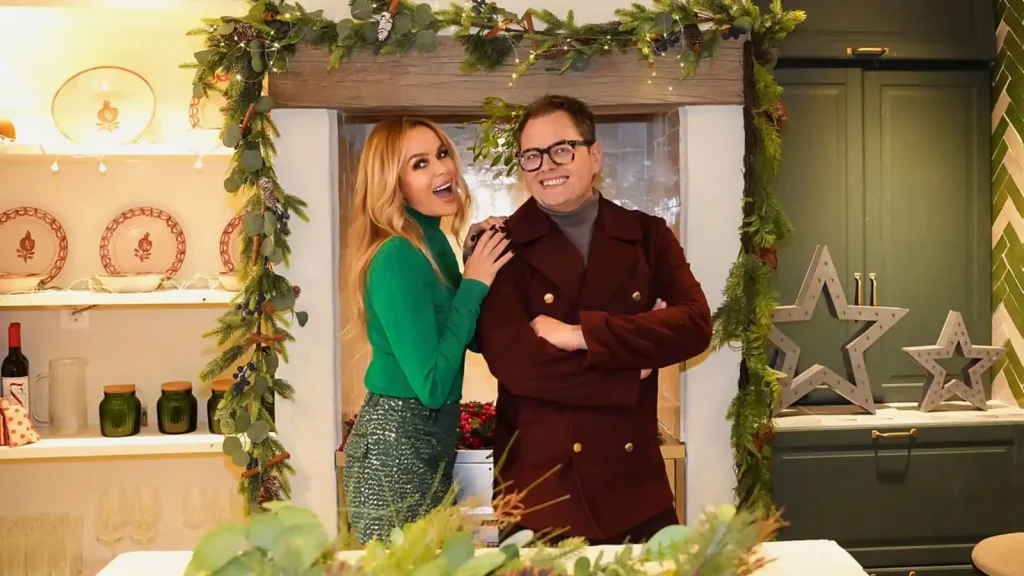
Amanda & Alan’s Spanish Christmas begins with the long-awaited return of best friends Amanda Holden and Alan Carr to the picturesque hills of Andalusia. After spending an intensive summer transforming a dilapidated property into a stunning bed and breakfast, the duo finds themselves back in Spain to celebrate the holiday season. The air is filled with anticipation as they reunite with the local community that supported their ambitious renovation project.
This festive special serves as a final tribute to their time in the region before the house eventually goes on the market. Consequently, the pair intends to blend their British heritage with local customs to create a truly memorable experience. The significance of this reunion lies in the deep connections formed during their previous stay in the Moclin village. Amanda and Alan feel a profound sense of gratitude toward the neighbors and friends who helped them turn an old wreck into a dreamy retreat.
To show their appreciation, they decide to host a grand Anglo-Spanish feast for ten people. This event requires careful planning, as it must honor both the British holiday staples and the rich Andalusian traditions. Therefore, the friends set out on a journey across the region to gather ingredients, learn new skills, and immerse themselves in the local holiday spirit.
The scope of the article explores their festive preparations, ranging from culinary experiments to the intricate details of home decoration. Amanda & Alan’s Spanish Christmas captures the essence of a cross-cultural celebration where tinsel meets tapas. Throughout their stay, they visit bustling markets, historic cities, and even the snow-capped peaks of the Sierra Nevada. Each location provides a unique insight into how the Spanish people celebrate the birth of Jesus and the arrival of the new year. Meanwhile, the duo navigates the challenges of organizing a large-scale dinner party while maintaining their signature humor and camaraderie.
The background of their journey is rooted in the success of their summer renovation project in the province of Granada. Having spent months laboring over the property, they developed a genuine love for the local lifestyle and the welcoming nature of the people. This special episode is not merely a holiday getaway but a heartfelt thank you to the community of Moclin. By inviting their friends into their home once more, they hope to create a lasting memory that celebrates the union of their two cultures. Transitioning from the heat of the summer to the crisp winter air, the pair finds that the landscape has transformed into a festive wonderland.

Scan smarter. Create faster. Free.
Download QR & Barcode Studio — Create and scan unlimited QR codes & barcodes.
No paywalls. No limits. 100% Free.

The narrative structure of their holiday begins with the arrival of the Christmas tree, which proves to be a physically demanding first task. Lugging a heavy, rooted tree into the house sets a comical tone for the days ahead. Amanda and Alan quickly realize that festive preparations require just as much energy as a full-scale home renovation. Despite the minor inconveniences of itchy needles and heavy lifting, their enthusiasm remains unshaken as they dream of a perfect celebration. This initial effort marks the official start of their holiday mission to deliver a spectacular feast for their friends.
As they settle back into their Moclin home, the contrast between their personal styles becomes immediately apparent. Alan favors a maximalist approach, dreaming of an explosion of Christmas that includes tinsel and colorful lights. Conversely, Amanda prefers a more refined and classy aesthetic, wanting to avoid anything she deems clumsy or over the top. This playful tension between their decorating philosophies adds a layer of entertainment to the renovation of the space for the party. They must find a middle ground that accommodates Alan’s love for 1980s nostalgia and Amanda’s desire for a sophisticated theme.
The planning process involves a series of educational trips to nearby cities like Granada and Malaga. These excursions allow them to witness firsthand the official start of the holiday season through spectacular light displays and traditional markets. They seek out local experts to teach them the nuances of Spanish festivities, from the significance of the Three Kings to the art of carving Iberico ham. Each experience enriches their understanding of the region and influences the menu they are crafting for their guests. Therefore, their journey is as much an educational venture as it is a social celebration.
The following sections will detail the specific steps they take to bring their vision of an Anglo-Spanish holiday to life. From the high-energy light switch-on in Malaga to the quiet, emotional reflections on a beach, the duo experiences the full spectrum of holiday emotions. They balance the stress of party planning with moments of genuine joy and laughter. Ultimately, their goal is to show that the holidays are about community, forgiveness, and the shared warmth of a meal. Their journey serves as a guide to embracing new customs while cherishing the traditions that define one’s personal history.
Amanda & Alan’s Spanish Christmas
Returning to the Andalusian Sunshine of Moclin
Reentering the village of Moclin brings a flood of memories for the two friends as they revisit the site of their summer labor. The property, once a wreck, now stands as a testament to their hard work and creative vision. They find the village transformed by the winter season, with a crispness in the air that complements the bright sunshine. Their return is met with warmth by the locals, reinforcing the sense of community they worked so hard to build. This homecoming is the essential foundation for the party they are planning to host.
The first practical challenge involves the arrival of the Christmas trees, which Alan describes as being as heavy as lead. As they struggle to move the rooted greenery into the house, Alan complains about the needles poking him in the eye and making his face itch. Amanda suggests that he might need goggles or even a rash cream if the irritation continues. Despite the physical struggle, they celebrate the successful placement of the tree with a cheer. They liken the start of their journey to the beginning of a classic Christmas movie, specifically mentioning the film Die Hard.
Once the trees are positioned, they begin to map out the decoration plan for the various rooms in the house. Amanda identifies the perfect spots for a large tree in the lounge and a smaller one in the window. She knows she will have to be bossy to ensure the house looks exactly as she envisions for the upcoming party. Alan, however, is already dreaming of an 1980s-inspired setup featuring plenty of tinsel. This initial planning phase highlights the different energies they bring to the project, with Amanda focusing on organization and Alan on festive fun.
The Clash of Festive Decorating Philosophies
The debate over the interior aesthetic intensifies as they discuss the merits of tinsel versus more modern decorations. Alan insists that tinsel should be draped over every single branch until no green is visible. He believes that tinsel brings joy and points out that it now comes in a wide variety of colors beyond the traditional red and purple. Amanda remains skeptical, arguing that tinsel should be banned in favor of a more structured and themed approach. She wants a different theme for the tree each year, topped with something truly fabulous.
Alan’s love for the holidays is deeply rooted in his childhood memories of the 1980s. He recalls his mother being militant about tree decoration, placing big baubles at the bottom and smaller ones at the top. To satisfy his nostalgic cravings, he heads to a local shop to find unique ornaments that reflect his personality. He discovers a range of eccentric items, including a red onion bauble, a hot dog, and even a rainbow moustache. These quirky choices reflect his belief that anything goes when it comes to decorating a tree that makes people say “wow.”
Amanda, meanwhile, focuses on the more elegant aspects of the home’s festive transformation. She puts up greenery and cinnamon sticks along the banisters to create a natural and aromatic environment. She instructs Alan to entwine the greenery carefully, emphasizing the importance of spreading out the leaves. Despite her best efforts to keep him on task, Alan continues to introduce humorous elements, such as a snow globe and a sign that simply says “Xmas.” This blend of high-end decor and kitschy fun defines the unique character of their shared holiday home.
Amanda & Alan’s Spanish Christmas: Integrating Local Culinary Secrets
To create an authentic feast, the duo realizes they must master several local dishes that are synonymous with the season in Spain. They invite the local mayor, Marco, to the house to help them prepare a traditional starter. Alan wants to make a version of his mother’s prawn cocktail, which is a staple of British holiday dinners. However, they decide to give it a Spanish twist by using fresh gambas sourced directly from the coast. This collaboration with Marco allows them to learn the linguistic and culinary differences between their two cultures.
The preparation of the sauce becomes a point of contention when Marco reveals his preference for spicy food. While Alan’s mother typically uses ketchup, he opts for a classier blend of mayonnaise, creme fraiche, and tomato passata. Marco insists on adding a significant amount of Tabasco, which Alan fears will turn the sauce into molten lava. They also add lime rind and juice to the mixture, a Spanish variation that Alan initially finds questionable. Despite the heat, the resulting cocktail de gambas represents a successful fusion of their respective holiday traditions.
The main course planning involves a mix of hearty meats and creative vegetarian options for their guests. They decide on a slow-roasted suckling pig, known as cochinillo, which is a traditional festive dish in the region. To accommodate different dietary preferences, Amanda plans to serve roasted cauliflower steaks and stuffed butternut squash. This diverse menu ensures that all ten guests will find something delicious to enjoy. By combining these local flavors with their own favorite recipes, they create a menu that is both sophisticated and welcoming.
Witnessing the Grand Light Switch-On in Malaga
A trip to Malaga provides the friends with an opportunity to see how the Andalusian traditions are celebrated on a grand scale. They arrive just in time for the official light switch-on, an event that signals the true beginning of the season. The streets are packed with people, and the atmosphere is electric with holiday excitement. Alan describes the street decorations as looking like something Liberace would have designed. This high-energy experience reinforces their commitment to making their own party a spectacular success.
The light show is accompanied by music, including the classic song Feliz Navidad, which prompts both Amanda and Alan to dance in the street. Amanda notes that she feels more carefree in Spain, losing the inhibitions she might feel back in England. They describe the experience as being inside their own Christmas movie, complete with tears of joy and communal cheering. This public celebration highlights the Spanish love for life and their ability to turn any event into a festive party. It inspires them to bring that same level of energy back to their home in Moclin.
The sensory experience of Malaga, from the smell of the holiday treats to the visual spectacle of the lights, leaves a lasting impression. They feel a sense of wild abandonment and joy that they want to replicate for their own dinner guests. The event serves as a reminder that the holidays are a time for celebration and community connection. As they head back to Moclin, they are more determined than ever to tick off the remaining items on their long to-do list. The trip to Malaga provides the necessary momentum to push through the final days of party preparation.
Investigating the Pasteleria Lopez Mezquita in Granada
A visit to one of Granada’s finest bakeries, Pasteleria Lopez Mezquita, allows Amanda to learn about the traditional Spanish dessert known as Roscon de Reyes. This historic establishment has been selling pastries since 1862, making it the perfect place to discover the secrets of the “Kings’ Cake.” The bakery owner, Teresa, explains that the cake is a brioche-like sweet pastry traditionally eaten in January. However, many people enjoy it throughout the entire holiday period. Amanda is fascinated by the rich history and the symbolic decorations that adorn the cake.
The Roscon de Reyes is decorated with candied fruits that represent the jeweled crowns of the Three Kings. Amanda gets the chance to participate in the decoration process, sprinkling sugar and placing cherries and oranges on the dough. Teresa explains that the cake also contains hidden surprises that dictate the roles of the diners. A hidden bean signifies that the person who finds it must pay for the cake. Conversely, the person who finds the small king figure is crowned as the “king” for the day and receives special treatment.
Amanda finds the taste of the cake remarkably similar to a British “lardy cake,” which is her father’s favorite. She chooses a version filled with cream, knowing it will be a hit with their party guests. This experience highlights the similarities and differences between European holiday traditions. Amanda is eager to bring this interactive dessert back to Moclin, as it combines a delicious treat with a fun social game. The visit to the Granada bakery adds another layer of authenticity to their upcoming feast.
Amanda & Alan’s Spanish Christmas: Handcrafting Traditional Clay Figurines
The exploration of local customs continues with a visit to the workshop of a fourth-generation artisan named Jesus. He specializes in creating intricate Nativity figurines, known in Spain as Belen. These figures play a pivotal role in Spanish homes, where families display elaborate scenes depicting the birth of Christ. Amanda and Alan are invited to try their hand at crafting these traditional pieces using clay and vintage moulds. This artistic endeavor proves to be more challenging than they initially expected, leading to several humorous moments.
Jesus guides them through the process of moulding the figures of Mary and Joseph. Amanda is praised for her “artist energy” and is told she is a natural artisan after successfully creating a Virgin Mary figure. Alan, however, struggles with the delicate nature of the clay and accidentally smashes his creation. The artisan jokingly refers to Alan’s work as “rubbish” and pummels it back into a blob of clay. This playful interaction highlights the technical skill required to produce these traditional ornaments that are cherished by Spanish families.
Despite the mishaps, they both immerse themselves in the painting process, using fine brushes to add detail to the faces and robes. Amanda enjoys the meditative nature of the work, though Alan suspects there might be some favoritism at play. They decide to leave the final touches to the experts, recognizing that they have a party to organize back in Moclin. The visit to the workshop leaves them with a deep respect for the craftsmanship that underpins Andalusian traditions. They leave with a set of figurines that will serve as the centerpiece for their holiday table.
High Altitude Escapades in the Sierra Nevada Mountains
To balance the stress of party planning, Amanda and Alan take an afternoon off to visit the Sierra Nevada mountains. Located just over an hour from Moclin, this area boasts Europe’s southernmost ski resort. Neither of them is particularly fond of skiing, with Alan expressing a specific hatred for the sport. He recalls a past experience where he was so terrified that a stranger had to peel his fingers off a tree. Instead of hitting the slopes, Amanda chooses a different mode of transport for their mountain adventure.
They find themselves navigating the steep, snowy terrain in what Amanda describes as a fun but physically demanding excursion. Alan complains about the uncomfortable boots, which he claims make him walk in a way that “cures his mince.” The climb up the mountain is difficult, and Alan struggles with the cold and the slippery surface. Amanda encourages him to dig in with his feet, though she admits that her own tummy has butterflies. Their banter remains sharp even as they plummet down the slopes on a different kind of transport.
The mountain air and the stunning views provide a refreshing break from their busy schedule. They witness the beauty of the highest mountain in mainland Spain and enjoy the cosmopolitan feel of the resort. Despite the initial fear and the physical exertion, they both admit that the experience was ultimately entertaining. This trip to the Sierra Nevada reminds them of the diverse landscapes that Andalusia has to offer during the winter. It also serves as a bonding experience that strengthens their friendship before the big dinner party.
Mastering the Art of the Zambomba and Flamenco Percussion
Back in the village, the duo joins in a unique Spanish celebration called a zambomba. This festive event is a seasonal take on flamenco, where villagers gather to sing, dance, and play traditional instruments. The central instrument is the zambomba itself, a percussion piece played by rubbing a wooden stick to create deep vibrations. They meet with local performers who demonstrate the proper technique for playing the instrument. This experience allows them to engage directly with the musical heritage of the region.
To play the zambomba effectively, the musician must first wet their hand to create the necessary friction. Alan finds the sound pleasant but struggles to maintain the rhythm, eventually complaining of a “repetitive strain injury.” Amanda also tries the instrument but concludes that they should probably leave the music to the experts. The passion and energy of the local singers impress them both, as the performers take the celebration to the “nth degree.” This musical gathering reinforces the idea that in Moclin, everything is a community celebration.
The zambomba session is fueled by shots of anis, a potent local liquor that is a staple of these gatherings. The friends realize that Spanish holiday traditions are often more boisterous and less formal than British ones. They admire the authenticity and genuine spirit of the villagers who come together to celebrate around a fire. This experience inspires them to include a musical element in their own party. They see that the joy of the holidays is amplified when shared through song and dance with neighbors.
Amanda & Alan’s Spanish Christmas: Crafting the Perfect Cava Cocktail
As the day of the feast approaches, Amanda and Alan head to Granada for a lesson in the art of mixology. They want to create a signature aperitif that will set a festive tone for their guests. A local expert introduces them to four varieties of cava, the sparkling wine that is a mainstay of Spanish celebrations. They learn about the tradition of putting a golden ring in the glass on New Year’s Eve to attract good luck. This educational tasting helps them understand the different profiles of Spanish sparkling wine, from sweet to extra dry.
The tasting process is filled with humorous observations as Amanda uses unconventional metaphors to describe the wines. She claims one variety “smells of a loft” and “old newspapers,” while another reminds her of her “nan in a bubble bath.” Alan is mortified by these descriptions, worrying that they are offending the professional sommelier. However, they eventually find a cava that they both enjoy, noting its “irony” and “crispy” qualities. This selection becomes the base for their holiday cocktail, which they intend to serve as their guests arrive.
The resulting cocktail is a sophisticated blend of white wine, lemon juice, Jamaican pepper, and cinnamon syrup. It is topped with chilled cava and a frothy layer that Amanda says looks like snow. The combination of flavors creates an “exceptional” drink that hits the palate with cinnamon followed by fizz and lemon. They believe this drink perfectly captures the essence of Christmas in a glass. This successful experiment gives them a boost of confidence as they enter the final stages of party preparation.
The Great Coastal Escape and Nudist Traditions
In a surprising turn of events, the two friends decide to take a festive dip in the sea at their favorite beach. This particular location is known for being a nudist beach, though Alan is disappointed to find it less crowded than during their summer visit. They reflect on the fact that the beach provides a necessary break from the “melee” of party planning. Sitting by the water, they engage in a rare moment of quiet reflection about the true meaning of the holiday season. This scene offers a poignant contrast to the high-energy activities of the previous days.
Their conversation turns toward the emotional weight that the holidays can carry for many people. They discuss the importance of family and community, but also acknowledge the pain of “empty seats” at the table. Alan notes that beneath the tinsel and presents, the season can be quite tender for those who have lost loved ones. This moment of vulnerability highlights the depth of their friendship and their shared understanding of the season’s complexities. They agree that the holidays are about forgiveness, celebration, and being grateful for the health of those present.
The dip in the sea, while freezing, serves as a “pre-party boost” that refreshes their spirits. Amanda shrieked as she hit the cold water, but they both emerged feeling invigorated and ready for the final push. This unconventional tradition shows their willingness to embrace the fun and adventurous side of the holiday season. They leave the beach with a renewed sense of purpose, heading back to Moclin to put the final touches on their dinner. The coastal excursion provides the emotional and physical clarity they need to host a successful event.
The Final Anglo-Spanish Feast and Community Celebration
The day of the feast finally arrives, and the Moclin home is transformed into a magical holiday venue. Amanda has “table-scaped” the dining room with greenery, pomegranates, and the handmade clay figurines. The courtyard is aglow with fairy lights, creating a “sumptuous” environment for their guests. They don their favorite Christmas jumpers, including a special pomegranate-themed one for Alan, to welcome their friends. The atmosphere is filled with seasonal magic as the first guests begin to arrive for the long-awaited dinner.
The meal begins in the garden with the cava cocktails and a selection of hors d’oeuvres, including the Iberico ham Alan learned to carve. He jokes that he played the leg of ham “like a triangle” instead of a violin, but the guests seem to enjoy the effort. The starter course of prawn cocktail is a major hit, with Marco confirming that it has the perfect amount of spicy kick. Amanda serves the main course of roasted meats and vegetables, which receives high praise from everyone at the table. The successful fusion of British and Spanish flavors creates a unique dining experience for the diverse group of friends.
The celebration culminates with the serving of the desserts: Amanda’s boozy sherry trifle and the traditional Roscon de Reyes. The “tipsy trifle” is particularly popular, with the guests noting that they can “definitely feel the sherry.” The interactive game of the Roscon de Reyes adds a layer of fun to the end of the meal. In a fitting conclusion, Amanda finds the hidden king figurine and is crowned “Queen Amanda” for the remainder of the evening. The party ends on a high note, with the friends expressing their deep gratitude for the memorable and special Christmas.
Amanda and Alan reflect on the warmth and hope that the holiday season has brought to their Moclin home. They realize that their stay in Spain has been defined by the generosity and authenticity of the local community. The feast served as a perfect thank you to the people who made their dream B&B a reality. As the evening draws to a close, they feel a profound sense of accomplishment and emotional connection. They have successfully blended their two worlds, creating a holiday celebration that honored both the old traditions and the new memories they made together. Would you like me to expand on any specific recipe or tradition mentioned?
FAQ Amanda & Alan’s Spanish Christmas
Q: What is Amanda & Alan’s Spanish Christmas about?
A: Amanda & Alan’s Spanish Christmas is a festive television special featuring Amanda Holden and Alan Carr returning to their renovated Andalusian property in Moclin, Granada. The duo hosts an Anglo-Spanish feast for ten guests, blending British holiday traditions with authentic Spanish customs. Throughout the program, they explore local markets, learn traditional cooking techniques, and immerse themselves in Andalusian holiday celebrations. This heartfelt special serves as a tribute to the community that supported their summer renovation project before the property goes on the market.
Q: Where is the Moclin property located that Amanda and Alan renovated?
A: The property is situated in Moclin, a picturesque village in the province of Granada within the Andalusia region of southern Spain. This location offers stunning views of the surrounding hills and provides easy access to nearby cities like Granada and Malaga. Additionally, the Sierra Nevada mountains lie just over an hour away, making it an ideal base for experiencing diverse Andalusian landscapes. The village’s welcoming community played a crucial role in helping Amanda and Alan transform their dilapidated property into a charming bed and breakfast.
Q: What traditional Spanish dishes do Amanda and Alan prepare for their feast?
A: The menu features an impressive fusion of British and Spanish culinary traditions. For starters, they create cocktail de gambas—a Spanish twist on prawn cocktail using fresh gambas with lime, Tabasco, and creme fraiche. The main course centers on cochinillo, a slow-roasted suckling pig traditional to the region, accompanied by roasted cauliflower steaks and stuffed butternut squash for vegetarian guests. Furthermore, desserts include Amanda’s boozy sherry trifle and Roscon de Reyes, a traditional Kings’ Cake from Pasteleria Lopez Mezquita. They also serve Iberico ham that Alan learns to carve properly from local experts.
Q: What is the significance of Roscon de Reyes in Spanish Christmas traditions?
A: Roscon de Reyes, or Kings’ Cake, is a brioche-like sweet pastry traditionally eaten in January to celebrate the Three Kings. The cake features candied fruits representing the jeweled crowns of the biblical Magi. Notably, it contains hidden surprises that create an interactive dining experience—a small bean means the finder must pay for the cake, while discovering the king figurine crowns that person as royalty for the day. Historic establishments like Pasteleria Lopez Mezquita in Granada have been crafting this delicacy since 1862, making it an authentic representation of Spanish holiday heritage.
Q: How do Amanda and Alan’s decorating styles differ for the Christmas setup?
A: Alan embraces a maximalist, 1980s-inspired approach featuring abundant tinsel, colorful lights, and quirky ornaments like hot dog baubles and rainbow moustaches. Conversely, Amanda prefers refined elegance with themed decorations, natural greenery, cinnamon sticks, and sophisticated aesthetics. This playful tension creates entertaining moments as they negotiate their vision for the space. Eventually, they find a middle ground that incorporates Alan’s nostalgic fun with Amanda’s classy sensibility. The resulting decor features carefully placed greenery along banisters, unique ornaments, and a blend of traditional and whimsical elements that reflects both personalities.
Q: What is a zambomba and how did Amanda and Alan participate in this tradition?
A: A zambomba is a festive Spanish celebration combining flamenco music with seasonal songs, centered around a percussion instrument of the same name. Musicians play the zambomba by rubbing a wet wooden stick to create deep vibrations. Amanda and Alan joined local villagers in Moclin for this authentic experience, attempting to play the instrument themselves despite struggling with the technique. The gathering featured passionate singing, traditional music, and shots of anis liquor. This boisterous community event demonstrated how Spanish holiday traditions emphasize collective celebration over formal entertaining, inspiring the duo to incorporate musical elements into their own party.
Q: What activities did Amanda and Alan experience in Malaga during their Spanish Christmas?
A: In Malaga, they witnessed the spectacular official Christmas light switch-on ceremony that marks the season’s beginning. The streets filled with crowds enjoying elaborate decorations that Alan compared to Liberace’s aesthetic. Music, including Feliz Navidad, prompted spontaneous street dancing as Amanda felt liberated from British inhibitions. This high-energy public celebration showcased Spanish enthusiasm for life and communal joy. The sensory experience—from holiday treats to dazzling light displays—left them deeply inspired to replicate that festive energy for their Moclin dinner guests. The event reinforced their commitment to creating an equally memorable celebration at home.
Q: What adventure did Amanda and Alan have in the Sierra Nevada mountains?
A: Despite neither being skiing enthusiasts, they visited Europe’s southernmost ski resort located just over an hour from Moclin. Rather than skiing, they chose an alternative mountain activity that proved physically demanding yet entertaining. Alan complained about uncomfortable boots and the challenging climb up steep, snowy terrain. Nevertheless, the stunning views of mainland Spain’s highest peak provided a refreshing break from party planning. This mountain excursion offered diverse scenery and bonding time that strengthened their friendship. The cosmopolitan resort atmosphere and beautiful winter landscape reminded them of Andalusia’s remarkable geographic variety during the festive season.
Q: How did Amanda and Alan create their signature cava cocktail?
A: They visited Granada for a professional mixology lesson featuring four cava varieties, learning about Spanish sparkling wine traditions. Amanda used unconventional descriptions during the tasting, comparing wines to lofts and bubble baths, which mortified Alan but helped them select the perfect base. Their final creation blended white wine, lemon juice, Jamaican pepper, and cinnamon syrup, topped with chilled cava and a frothy layer resembling snow. The resulting cocktail delivered cinnamon warmth followed by refreshing fizz and citrus notes. This sophisticated aperitif perfectly captured Christmas essence while showcasing their newfound knowledge of Spanish celebratory beverages.
Q: What deeper meaning do Amanda and Alan discover about the holiday season during their Spanish Christmas?
A: During a reflective moment at their favorite nudist beach, they discuss the emotional complexity beneath holiday festivities. They acknowledge that while celebrations bring joy, the season can be tender for those experiencing loss or empty seats at the table. The duo emphasizes that holidays center on forgiveness, community connection, and gratitude for loved ones’ health. Their Spanish experience taught them that authentic celebration comes from genuine relationships rather than perfect decorations. By hosting the feast, they honored the Moclin community’s generosity while creating lasting memories. Ultimately, they learned that blending cultures and embracing vulnerability creates the most meaningful holiday experiences.