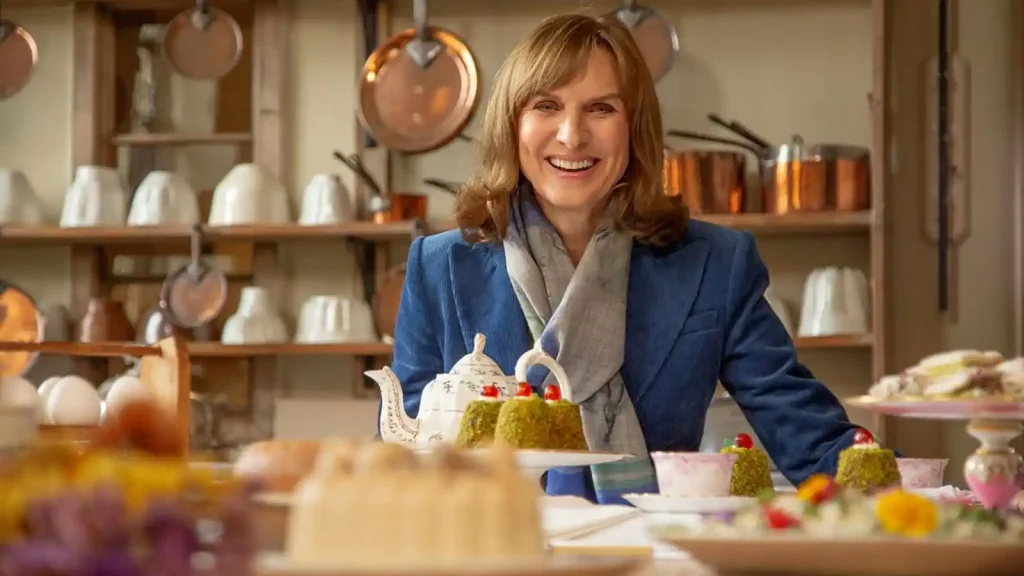
Antiques Roadshow – A History of Food
In a captivating special episode, Antiques Roadshow embarks on a journey through four centuries of culinary evolution. From humble farmhouse kitchens to opulent royal feasts, this episode brings history to life through an extraordinary collection of objects that tell the story of Britain’s ever-changing food culture.
The exploration begins with treasures such as ancient recipe books and a rare early guide to royal cookery, showcasing how cooking practices have evolved. Alongside these are curious kitchen gadgets and elegant Georgian cookware, each piece offering a window into the flavors and traditions of its time.
Host Fiona Bruce is joined by the beloved Dame Mary Berry, who shares heartwarming memories from her storied culinary career. With her characteristic charm, Dame Mary reflects on the significance of three cherished kitchen tools from her past—a potato ricer, a pestle and mortar, and a formidable mandoline slicer. These simple yet transformative tools hold stories of meals shared, techniques honed, and recipes passed down through generations.
Adding depth to the episode is food historian Ivan Day, who unveils rare treasures from his personal collection. Among the highlights is a delicate ravioli cutter dating back to the era of Michelangelo, a remarkable artifact that bridges the gap between art and cuisine. Meanwhile, author and broadcaster Dr. Annie Gray delves into the rich tradition of afternoon tea. Recreating recipes from Avis Crocombe, a late 19th-century cook at Essex’s Audley End House, Dr. Gray offers a delectable glimpse into the origins of this quintessentially British ritual.

Scan smarter. Create faster. Free.
Download QR & Barcode Studio — Create and scan unlimited QR codes & barcodes.
No paywalls. No limits. 100% Free.

In a poignant segment, Ronnie Archer Morgan visits Veeraswamy, one of the oldest Indian restaurants in Britain, which first opened its doors in 1926. The visit highlights the enduring legacy of Indian cuisine in Britain. He then journeys to the Museum of London to examine the intricate ties between sugar and the transatlantic slave trade. The emotional centerpiece of this exploration is an early 19th-century sugar bowl inscribed with an anti-slavery message, a poignant reminder of the complex and painful history behind such a common commodity.
The narrative takes a dramatic turn as Mark Smith recounts the perilous journeys of the Atlantic convoys during World War II. These convoys were lifelines, braving treacherous waters to keep Britain supplied with food amidst the turmoil of war. This story of resilience and sacrifice underscores the critical role food played in sustaining morale during dark times.
Celebrating culinary innovation, Fuchsia Voremberg highlights the life of Philip Harben, one of Britain’s first celebrity chefs. Rising to prominence with his inventive rationing recipes and entertaining TV appearances—often donning a Tudor costume—Harben became a pioneer in making cooking both practical and engaging during an era of scarcity.
In Belfast, the journey concludes at the Ulster Folk Museum, where Lisa Lloyd explores the timeless appeal of soda bread. Watching butter churned by hand with a turn-of-the-century gadget, she uncovers the resourceful simplicity of rural kitchens and the enduring charm of traditional methods.
Through vivid storytelling and a rich tapestry of historical artifacts, this episode of Antiques Roadshow weaves a narrative as satisfying as a home-cooked meal. Each segment celebrates the power of food to connect us to our past, reminding us that every recipe, tool, and tradition has a story worth savoring.
Conclusion Antiques Roadshow – A History of Food
The journey through the history of food, as explored in Antiques Roadshow’s special episode, leaves us with a profound appreciation for the ways food shapes our lives. Beyond mere sustenance, the tools, traditions, and recipes unearthed in this episode remind us that food is a powerful storyteller, weaving a tapestry of culture, innovation, and resilience across generations.
As we reflect on the artifacts presented—each brimming with character and history—it becomes clear that these objects are more than relics. They are touchstones of human ingenuity and creativity, reflecting the challenges and triumphs of their time. A simple potato ricer or a hand-carved ravioli cutter connects us to those who once relied on these tools to feed their families, create art on a plate, or survive through scarcity.
Food, like history, is a shared experience. Dame Mary Berry’s treasured tools evoke memories of kitchens bustling with life, where meals were made with care and love. Ivan Day’s ravioli cutter, etched with centuries of use, reminds us of the artistry embedded in every dish. Even the sugar bowl at the Museum of London, a stark reminder of the dark ties between sugar and slavery, compels us to confront history and its lingering impact.
But food’s story is not just about the past—it’s about continuity and adaptation. The legacy of Veeraswamy, one of Britain’s longest-standing Indian restaurants, speaks to the rich flavors immigrants have brought to the table, blending cultures with spice and warmth. Mark Smith’s poignant recount of wartime convoys underscores food’s vital role in survival, a thread that binds humanity even in its darkest hours.
The episode’s exploration of afternoon tea and soda bread showcases food as a bridge between the practical and the ceremonial. Each recipe, whether a humble loaf or an elaborate cake, carries whispers of those who perfected it, enjoyed it, and passed it on. It’s a cycle as enduring as the seasons.
As this culinary journey closes, we are left with a simple yet profound truth: food connects us. It bridges time and culture, uniting us through flavors, stories, and shared experiences. Like a beloved family recipe, these moments are meant to be preserved, savored, and passed down. For in every bite, we carry the essence of history and the promise of tomorrow.
FAQ Antiques Roadshow – A History of Food
Q: What is the central theme of this special episode of Antiques Roadshow?
A: This episode of Antiques Roadshow delves into the fascinating history of food in Britain. It explores how food has evolved over centuries, from basic sustenance to an integral part of British culture and identity. Furthermore, the episode showcases how food connects us to the past. It also reveals the ingenuity and resilience of people throughout history.
Q: How does the episode explore the evolution of British food culture?
A: The episode showcases a diverse collection of historical artifacts. These include ancient recipe books, curious kitchen gadgets, and elegant Georgian cookware. Moreover, each object tells a story about the culinary practices and traditions of its time. For instance, a rare early guide to royal cookery reveals the opulence of past royal feasts. In contrast, simple farmhouse kitchen tools demonstrate the resourcefulness of everyday cooking.
Q: Who are some of the experts featured in the episode, and what are their contributions?
A: The episode features several experts who provide insights into different aspects of food history. First, Dame Mary Berry, a beloved culinary figure, shares personal stories about her cherished kitchen tools. These tools, such as a potato ricer and a pestle and mortar, represent techniques passed down through generations. Second, food historian Ivan Day presents rare items from his collection, including a ravioli cutter from the Renaissance era. Finally, Dr. Annie Gray, an author and broadcaster, recreates historical recipes, offering a glimpse into the origins of afternoon tea.
Q: How does the episode address the social and cultural impact of food?
A: The episode explores the complex relationship between food and society. For example, Ronnie Archer Morgan visits Veeraswamy, a historic Indian restaurant, to highlight the influence of immigrant communities on British cuisine. Additionally, the episode examines the link between sugar and the transatlantic slave trade through a poignant exploration of a sugar bowl with an anti-slavery inscription. This segment serves as a reminder of the ethical considerations surrounding food production and consumption.
Q: Does the episode only focus on the past, or does it also look at more recent food history?
A: While the episode explores centuries of culinary history, it also touches on more modern developments. Specifically, it highlights the rise of celebrity chefs like Philip Harben, who pioneered cooking shows and made cooking accessible during the rationing era of World War II. The episode also acknowledges the enduring appeal of traditional foods and methods, such as soda bread making, which continues to be practiced today.
Q: What is the overall message or takeaway from this episode of Antiques Roadshow?
A: Ultimately, this episode celebrates the power of food to connect us to our past, present, and future. It emphasizes that food is more than just sustenance; it is a reflection of our culture, history, and shared humanity. Through storytelling and historical artifacts, the episode encourages viewers to appreciate the stories behind the food we eat and the traditions we keep. In essence, every meal is an opportunity to savor not only flavors but also the rich tapestry of history that food represents.