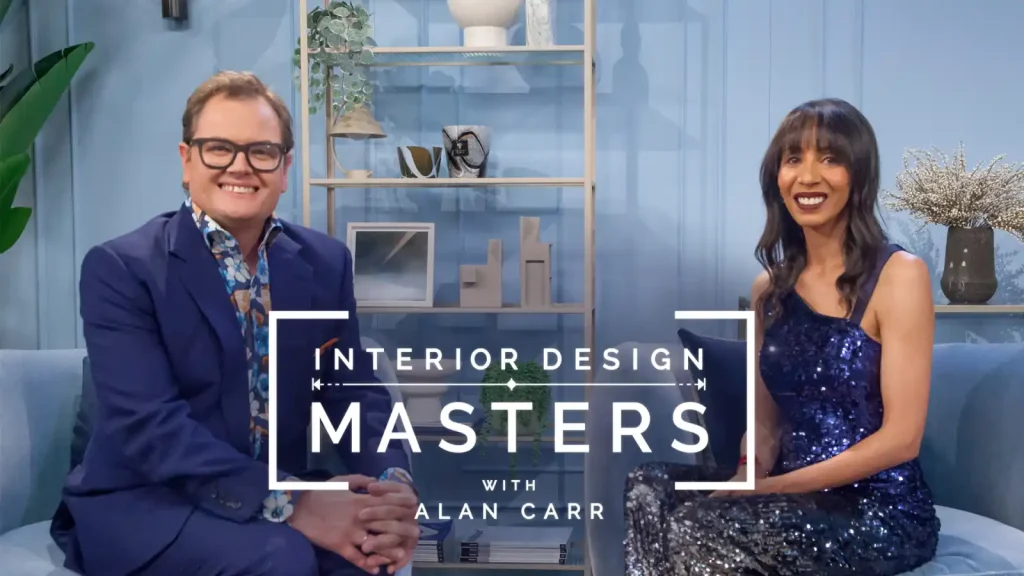
Interior Design Masters with Alan Carr 2025 episode 2: From Shipping Containers to Standout Spaces
Welcome back to the vibrant world of Interior Design Masters! This week, the competition truly got down to business. Host Alan Carr whisked our nine remaining hopefuls away to Bristol. Specifically, they landed on a unique building site next to the iconic Concorde. Their task? To transform stark, repurposed shipping containers into inspiring office spaces for creative start-ups. But there was a twist. They needed to weave sustainability into the very fabric of their designs.
Using recycled and repurposed materials wasn’t just encouraged; it was essential. With head judge Michelle Ogundehin joined by eco-design expert Max McMurdo, the pressure was definitely on. Who would create a truly tempting workspace? And more importantly, who would win Stand Out Space, and whose design journey would end here?
The setting itself presented a fascinating challenge. Shipping containers, by nature, are long, narrow boxes. Transforming these utilitarian structures into functional, desirable offices required serious ingenuity. The designers needed to overcome the inherent limitations of the space. Furthermore, they had to prove that sustainable design can be stylish and innovative. The £1,300 budget and tight two-day deadline added another layer of difficulty. Each designer invented an imaginary client to guide their concept, ranging from online magazines and architects to arts charities and even music event managers. This immediately set the stage for diverse and personal interpretations of the brief.
From the outset, the designers grappled with the unique canvas. While some embraced the container’s industrial shell, others aimed to soften or completely transform it. We saw a flurry of activity as plans took shape. Emma envisioned an art gallery within a spaceship, complete with colour-drenched blue walls and upcycled seating. Conversely, Holly decided to celebrate the container’s raw OSB walls, painting only the ceiling and focusing on clever spatial division. Rita ambitiously planned a huge curved desk using reclaimed staircase spindles. Similarly, John tackled a massive reclaimed industrial table, which posed significant logistical challenges.

Scan smarter. Create faster. Free.
Download QR & Barcode Studio — Create and scan unlimited QR codes & barcodes.
No paywalls. No limits. 100% Free.

Sustainability was the thread tying every design together. Ayisha impressed with her commitment, crafting a terrazzo-style table from an old oil drum and broken tiles. Victoria cleverly repurposed a drum kit into a coffee table and cymbals into light fixtures. Bradley, known for his bold style, opted for a “razzle-dazzle” ship camouflage theme, though his use of MDF later raised sustainability questions. Briony aimed for an airy, Concorde-inspired space, controversially adding a swing to her “cockpit quiet zone”. Craig channeled a ’70s vibe with bold stripes and angled desks designed to avoid facing the wall.
Midway through, challenges mounted. Holly faced a budget crisis needing more paint. Emma struggled with her first attempt at upholstery, forcing a rethink. John had to source extra materials when his large table frame proved bigger than expected, cleverly salvaging pallets. Yet, amidst the stress, moments of ingenuity shone through. Creative lighting solutions emerged using carpet tubes, jam pans, old electrical meters, and even office chair bases. Holly’s inclusion of a functional sink unit was a standout feature.
This episode offered deeper insight into the designers’ personalities and working styles. Rita, drawing on her personal history, designed a space for women to share stories, emphasizing upcycled chic. Victoria, mindful of last week’s critique of being “too bougie”, consciously focused on functionality for her music industry client. Holly’s calm demeanor and practical approach, culminating in her offering Alan tea amidst the chaos, contrasted sharply with the “frazzled” energy elsewhere. Her confidence in leaving the OSB exposed demonstrated a clear design vision.
Emma’s journey this week was particularly poignant. Still processing feedback from the previous challenge, she aimed high with her ambitious spaceship concept and DIY sofa. However, her tendency towards multiple, perhaps competing, ideas resurfaced, leading to a sense of being “muddled,” as Michelle later noted. Her eventual elimination felt bittersweet; her creativity was undeniable, but refining her concepts remained a hurdle. Her tearful goodbye highlighted the strong bonds forming within the group.
Bradley’s unwavering commitment to his colourful, playful style was evident. While his confidence is admirable, the judges questioned if his aesthetic truly met the brief’s practical and sustainable demands. Briony, usually focused on earthy neutrals, took a risk with an all-white scheme. Unfortunately, this obscured the container’s character and led to questions about spatial planning. John, the design teacher, showcased his technical skill and love for murals. Ayisha demonstrated a deep understanding of sustainable practices integrated seamlessly into her design. Craig confidently executed his retro vision, creating a coherent and functional space.
Interior Design Masters with Alan Carr 2025 episode 2
Dialogue and Writing: Banter and Briefs
The episode crackled with Alan Carr’s signature wit and warmth. His interactions with the designers, from playfully critiquing Bradley’s desk sizes (“Alan hasn’t been working in offices, has he?”) to enjoying a cuppa with Holly (“Oh, I love double dunking with you, Holly”), provided lighthearted moments amidst the intense competition. The dialogue felt natural, reflecting the pressure and camaraderie. The judges’ critiques were insightful and direct. Michelle’s consistent emphasis on sustainability and Max’s practical knowledge grounded the feedback. The brief itself was well-defined, pushing the designers creatively while keeping practicality and eco-consciousness at the forefront.
Themes: Sustainability Takes Centre Stage
Sustainability wasn’t just a buzzword; it was the episode’s core message. The challenge demanded more than just aesthetics; it required thoughtful material sourcing and repurposing. Max McMurdo’s presence underscored this theme. We saw designers actively seeking reclaimed items, from restaurant booths and drum kits to scrap wood and even wet floor signs. The discussion around MDF highlighted the importance of material knowledge in eco-design.
The episode successfully showcased how constraints can fuel creativity, proving that sustainable design can be both resourceful and stylish. It also subtly commented on the evolving nature of the workplace, asking what truly entices people back to the office in a post-pandemic world. Is it a sink for Pot Noodles, a relaxing swing, or simply a well-proportioned, welcoming space?
Series Context: Raising the Stakes
Following the previous week’s hostel challenge, this episode significantly upped the ante. Moving from decorative flair in existing rooms to transforming raw, industrial shells demanded greater technical skill and spatial awareness. The focus shifted towards functionality and addressing specific client needs (even imaginary ones). It also established sustainability as a key judging criterion moving forward. We saw designers like Victoria directly applying lessons learned from the first week. The elimination process felt more intense, reinforcing the high stakes of the competition. This episode solidified the series’ blend of creative expression, practical challenges, and genuine human drama.
Assessment: Strengths and Weaknesses
This episode was a strong contender early in the series. Its main strength lay in the clarity and relevance of the brief. The shipping container challenge was visually engaging and tested a wide range of design skills. Furthermore, the emphasis on sustainability felt timely and important, adding depth beyond pure aesthetics. The diversity of design approaches was fascinating, showcasing the designers’ distinct personalities. Holly’s unexpected win with her understated, material-celebrating design was a highlight, proving that sometimes less is more. The guest judging from Max McMurdo added valuable expertise.
However, some areas felt slightly uneven. While most designers embraced the sustainability angle, the nuances (like the MDF issue ) could have been explored even further during the design process itself, not just in judging. Additionally, while the imaginary client concept provided focus, it occasionally felt abstract compared to designing for real occupants. Some designs, despite their creativity, struggled with the practicalities of an office environment, perhaps needing a stronger focus on ergonomics or workflow beyond just desk placement. The elimination of Emma, while justified by the judges’ consistent feedback, felt like losing a vibrant, albeit sometimes unfocused, creative force early on.
Final Thoughts: Building Momentum
Overall, episode two of Interior Design Masters was a compelling watch. It successfully blended high-concept design challenges with relatable human elements – stress, creativity, budget woes, and the drive to impress. The Bristol shipping container task provided a fantastic platform for the designers to showcase their ingenuity, particularly regarding sustainable practices. Standout performances from Holly, Victoria, Rita, and Ayisha demonstrated a strong grasp of the brief, while others revealed areas for growth.
The episode effectively built upon the premiere, raising the complexity and highlighting the core themes of the series. As we say goodbye to Emma’s infectious enthusiasm, the stage is set for the remaining eight designers. They face even greater tests ahead, and we can’t wait to see how they continue to build, innovate, and design their way towards that coveted John Lewis collaboration. The competition is heating up, much like the inside of those containers on a sunny Bristol day.
Transforming Constraints into Creative Triumphs
Episode two of Interior Design Masters with Alan Carr delivered a masterclass in turning limitations into opportunities. Like the shipping containers themselves—rigid, industrial structures—our designers discovered that boundaries often serve as the framework for innovation rather than barriers to it. The Bristol challenge proved that sustainable design isn’t merely a fashionable afterthought but can form the very foundation of spectacular spaces.
Holly’s unexpected triumph with her minimalist approach reminds us that sometimes the most powerful design statement is knowing when to step back. By honoring the container’s raw industrial character while thoughtfully enhancing it, she created a space that felt both authentic and purposeful. Meanwhile, Victoria’s musical transformation and Ayisha’s resourceful terrazzo table showcased how personal passion can elevate everyday objects into extraordinary design elements.
Beyond the physical transformations, we witnessed the emotional journey of nine creative souls navigating the pressures of competition. Emma’s departure highlighted the bittersweet reality that bold vision must be balanced with practical execution. The camaraderie that flourished amid the stress—from Holly’s calming tea service to the collective problem-solving—illustrated how great design often emerges from collaborative energy.
This episode successfully wove together several compelling narratives: the rebirth of industrial spaces, the urgent need for sustainable practices, and the evolution of workplace environments in our changing world. What truly makes a workspace inviting? Is it clever storage solutions, inspirational aesthetics, or perhaps thoughtful details that acknowledge human needs?
As the competition intensifies, we’re beginning to see each designer’s signature approach crystallize. Some rely on bold color statements while others emphasize material integrity. Some prioritize functionality while others champion emotional impact. Yet all must ultimately answer the same question: how do we create spaces that genuinely enhance human experience?
Like architects of our own lives, we can learn from these designers’ journeys. When faced with our own “shipping container challenges”—situations that initially seem limiting or uninspiring—perhaps the solution lies not in disguising constraints but in celebrating them. By embracing what exists, repurposing what’s available, and thoughtfully adding what’s necessary, we might discover that our limitations were simply waiting to be transformed into our greatest strengths.
FAQ Interior Design Masters with Alan Carr 2025 episode 2
Q: How can I transform a small space into a functional office?
A: Transforming a small space into a functional office requires strategic planning and clever design solutions. First, assess your essential needs and prioritize accordingly. Multi-functional furniture, such as desks with built-in storage or fold-down work surfaces, can maximize functionality without overwhelming the space. Additionally, vertical storage solutions draw the eye upward and free up valuable floor space. Consider using light colors for walls and larger furniture pieces to create an airy feeling. Furthermore, proper lighting is crucial—combine overhead lighting with task lighting to create a well-lit environment that supports productivity. Finally, incorporate smart organizational systems that keep supplies accessible yet neatly stored away when not in use.
Q: What are sustainable design practices I can incorporate into my home?
A: Sustainable design practices can be both stylish and environmentally responsible. Begin by repurposing existing items—old furniture can be refinished, reupholstered, or reimagined for new uses rather than discarded. When purchasing new items, look for pieces made from sustainable materials such as reclaimed wood, bamboo, or recycled metal. Moreover, consider investing in quality, timeless pieces that won’t need frequent replacement. Thrift stores, vintage shops, and architectural salvage yards offer unique finds with character and history. Energy efficiency is another important aspect—incorporate LED lighting, energy-efficient appliances, and natural light whenever possible. Additionally, choose low-VOC paints and natural fibers for healthier indoor air quality. Remember that sustainable design is about mindful choices that reduce environmental impact while creating beautiful, functional spaces.
Q: How do I choose the right color palette for my living space?
A: Choosing the right color palette begins with understanding how color affects mood and perception. Consider the primary function of the space—calming blues and greens work well in bedrooms, while energizing yellows might suit a kitchen or office. Analyze the natural light in the room, as this dramatically impacts how colors appear; north-facing rooms benefit from warmer tones, whereas south-facing spaces can handle cooler hues. Start with a neutral base and build from there, perhaps drawing inspiration from a favorite artwork or textile. The 60-30-10 rule provides excellent guidance: use your dominant color for about 60% of the room, a secondary color for 30%, and an accent color for the remaining 10%. Above all, select colors that resonate with you personally—after all, you’re the one living with them daily.
Q: What’s the best way to maximize storage in tight spaces?
A: Maximizing storage in tight spaces requires thinking both creatively and vertically. Utilize wall space from floor to ceiling with shelving, hooks, and wall-mounted organizers that keep essentials accessible while freeing up precious floor area. Furniture with built-in storage, such as ottomans with removable tops or beds with drawers underneath, offers dual functionality. Custom solutions, though potentially more expensive, can make use of awkward corners or nooks that pre-made furniture might waste. Additionally, think about frequently overlooked spaces—the backs of doors, under stairs, or above doorways can provide surprising storage opportunities. Furthermore, embrace the concept of editing your possessions; sometimes the best storage solution is simply owning less. Finally, consistent organization systems ensure you’re maximizing whatever storage you do have.
Q: How can I make a small room appear larger through design?
A: Creating the illusion of space involves several clever design techniques that trick the eye. Light colors generally make walls recede, so consider whites, soft grays, or pale blues for your walls and larger furniture pieces. Strategically placed mirrors reflect light and views, instantly doubling the perceived space—placing them opposite windows maximizes this effect. Furthermore, furniture selection is crucial; choose pieces with exposed legs rather than skirted items, as seeing more floor creates a sense of openness. Scale is equally important—appropriately sized furniture that doesn’t overwhelm the room is essential. Additionally, maintain visual flow by avoiding clutter and creating clear pathways through the space. Lighting plays a vital role too; multiple light sources at different heights draw the eye around the room, adding dimension and perceived depth.
Q: What are some creative ways to repurpose everyday items in home design?
A: Repurposing everyday items adds character and sustainability to your home. Old wooden ladders can transform into unique bookshelves or towel racks when mounted horizontally. Similarly, vintage suitcases stacked create an interesting nightstand or coffee table with hidden storage. Wine crates or wooden pallets can be reimagined as modular shelving, planters, or even the base for a platform bed. Metal colanders or baskets make charming pendant light fixtures when paired with simple light kits. Moreover, old doors can become dining tables, headboards, or wall art with a bit of refinishing. Musical instruments, as seen in Interior Design Masters, can be repurposed into statement pieces—drums as side tables or cymbals as wall art. The key is seeing the potential shape and function rather than the item’s original purpose.
Q: How can I create distinct zones in an open-plan living space?
A: Creating distinct zones in an open-plan space maintains both flow and functionality. Area rugs effectively define different zones visually without requiring walls—select sizes that accommodate all furniture in each grouping. Furniture arrangement is equally important; positioning sofas or bookshelves perpendicular to walls can create natural dividers without blocking sightlines. Lighting plays a crucial role in zone definition; each area should have its own lighting scheme that can be controlled independently. Additionally, color coding subtly reinforces different functional areas—perhaps warm tones in the dining space and cooler hues in the work area. Portable screens or open shelving units provide flexible division that can be reconfigured as needed. Finally, ceiling treatments such as pendant lights or even paint color changes can delineate zones from above.
Q: What are the key elements of a well-designed home office?
A: A well-designed home office balances productivity with comfort through several key elements. Ergonomics should top your priority list—invest in a properly sized desk and adjustable chair that supports good posture during long work sessions. Lighting must address both ambient and task needs; natural light is ideal, supplemented with adjustable task lighting to prevent eye strain. Storage solutions should keep frequently used items within arm’s reach while minimizing visual clutter. Furthermore, technology integration requires thoughtful planning for power sources, cable management, and equipment placement. Personal touches, such as artwork or plants, contribute to a space where you’ll actually want to spend time. Additionally, acoustic considerations help minimize distractions—consider rugs, textiles, or even acoustic panels if noise is an issue. Finally, the space should reflect your working style while remaining distinct enough from your living areas to support work-life boundaries.
Q: How can I incorporate biophilic design principles into my home?
A: Biophilic design connects us with nature, improving wellbeing and productivity. Start with the obvious—live plants in various sizes add life, improve air quality, and create visual interest at different heights. Natural light is fundamental; maximize windows and consider light fixtures that mimic daylight qualities. Materials matter significantly; incorporate wood, stone, rattan, and other natural textures for surfaces and furniture. Colors inspired by nature—forest greens, ocean blues, earthy neutrals—subtly reinforce the connection. Water features, from tabletop fountains to aquariums, add movement and soothing sounds. Views to the outdoors should be preserved and emphasized where possible. Even abstract references to nature, such as botanical prints or furniture with organic shapes, can trigger biophilic responses. Finally, consider natural airflow patterns and ventilation to create a space that feels fresh and alive.
Q: What design approaches work best when renovating unusual spaces like shipping containers?
A: Renovating unusual spaces like shipping containers requires embracing their inherent qualities while overcoming their limitations. First, consider whether to highlight or disguise the original structure—sometimes the industrial character provides unique charm worth preserving. Insulation becomes critical in metal structures like containers, affecting both comfort and energy efficiency. Light planning deserves special attention in narrow spaces; consider clerestory windows, skylights, or glass doors to combat the tunnel effect. Multifunctional and built-in furniture maximizes limited square footage while reducing visual clutter. Moreover, indoor-outdoor connections can make compact spaces feel more expansive—large doors or windows that open to usable outdoor areas effectively extend the living space. Additionally, vertical space utilization becomes essential through tall storage, lofted areas, or interesting ceiling treatments. Finally, material contrast creates visual interest—pairing the rough industrial shell with refined interior elements creates compelling tension.