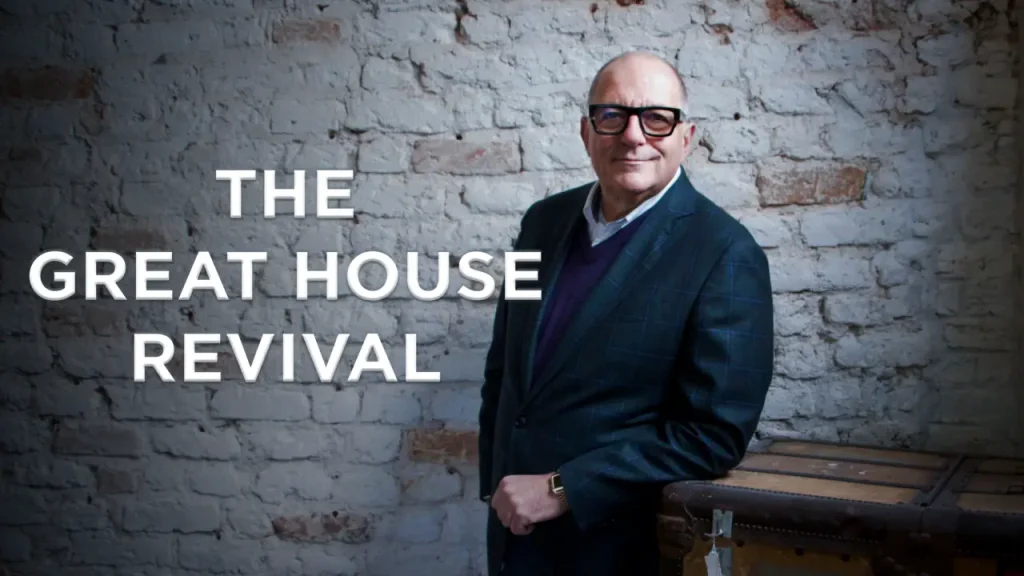
The journey to transform a tumbledown ruin into a dream home is powerfully captured in The Great House Revival episode 5 2025, which follows a couple’s ambitious undertaking in West Cork. Grace Cotter, a local teacher, and her husband John, a landscaper, fell in love with the Rockhouse, a neglected Georgian farmhouse left vacant for five years. Their story highlights the immense challenges and profound rewards of breathing new life into old buildings, a pursuit that resonates deeply in an era valuing sustainability and heritage. This restoration project was not merely about construction; it was an exercise in vision, endurance, and the art of creating a modern family home within a historic shell.
The scope of their ambition, as documented in The Great House Revival episode 5 2025, was enormous from the outset. The couple initially envisioned renovating both the main house and its adjacent stone barn simultaneously, connecting them with a modern glass atrium. This grand plan, however, quickly met the harsh realities of their budget and the building’s dilapidated state. Faced with expert advice that their resources were insufficient for both structures, Grace and John had to navigate the difficult process of refining their dreams while holding onto the core vision that first captivated them.
The Rockhouse presented a formidable challenge. When Grace and John purchased it for €240,000, the property was in a shocking state of disrepair. The interior featured cowpats on the floor, blackberry bushes growing through the rooms, and monstrous heaps of rat-chewed debris. Structurally, the building suffered from extensive woodworm in the joists, a failing roof, and damp penetrating the walls. This was a restoration project that would test the limits of their skills, finances, and resolve, requiring them to look past the decay and see the potential for a beautiful Irish country house.
Their initial budget of €300,000 was intended to cover the renovation of both the main farmhouse and the large stone barn. However, presenter Hugh Wallace quickly advised that completing just the main house to a proper standard would likely consume €400,000. This assessment forced an immediate and critical re-evaluation of their plans. The journey would involve not just physical labour but also strategic decision-making, weighing ideals against practical constraints at every turn.
Living in a mobile home on Grace’s parents’ property with their two young children, and with a third on the way, the pressure was immense. The project became a race against time, fueled by a desire to create a stable and beautiful home for their growing family. This personal stake transformed the renovation from a mere building project into a deeply meaningful personal quest, chronicling the highs and lows of their commitment to the historic Georgian farmhouse.

Scan smarter. Create faster. Free.
Download QR & Barcode Studio — Create and scan unlimited QR codes & barcodes.
No paywalls. No limits. 100% Free.

The Great House Revival episode 5 2025
Initial Assessments and Ambitious Plans
Upon taking ownership, Grace and John were confronted with the stark reality of the Rockhouse’s condition. The house, which had been vacant for only five to seven years, had deteriorated rapidly. Presenter Hugh Wallace described the interior as a “horror session,” noting the missing shutter boxes and evidence of cows having been inside. The couple, who had visited multiple times before buying, admitted that their family members were horrified by the purchase. Yet, Grace and John saw the “bigger picture” and the underlying potential of the structure, falling in love with it at first sight.
Their initial vision was grand, involving the restoration of the 300-square-metre house and barn. A key idea was to keep a 1990s conservatory to take advantage of the valley views and link the two main buildings. However, every tradesperson who visited advised that the conservatory was unsalvageable. This was the first of many instances where practical advice would challenge their original plans. The couple considered renovating the barn first and living there while tackling the main house, an idea quickly discouraged due to the barn’s own windowless, largely roofless, and mud-filled state.
The financial reality of the project was a significant hurdle. The expert opinion presented in the documentary was that their €300,000 budget would be entirely consumed by the main house renovation alone. Costs for essentials like a new septic tank, electrical wiring, plumbing, and heating would quickly exhaust their funds, leaving nothing for the barn. This advice was a major disappointment, particularly for John. Despite this, the couple initially resolved to “plough on” and attempt to prove the pessimistic forecast wrong, driven by an optimistic hope that they could achieve their full vision for this example of architectural heritage.
The Realities of a Hands-On Restoration Project
With their ambition set, the hands-on “donkey work” began. John, leveraging his skills as a landscaper, started the immense task of clearing and stripping the house with help from his brother, Gearoid. They began by ripping out the old tongue-and-groove wooden walls, which they felt were not a special architectural feature worth preserving, aiming for a cleaner, plastered finish. The work was dirty and physically demanding, involving levelling ground, clearing endless rubbish, and dealing with discoveries like rat’s nests hidden within the walls. This phase highlighted the unglamorous but essential first steps of any serious restoration project.
The project was profoundly shaped by the family’s personal circumstances. While living in a cramped mobile home, the family faced a significant emotional blow when Grace suffered a miscarriage. This personal tragedy underscored their determination to create a secure and happy family home at the Rockhouse. Later, the news of another pregnancy added a hard deadline to the project, intensifying the need to make the house habitable. The pressure mounted as they did not want to bring a newborn into the tight confines of the mobile home, a living situation that saved them an estimated €40,t in rent but was wearing thin.
Progress was often hampered by external factors. A delay in drawing down their mortgage meant that early work had to be funded out-of-pocket, relying on John’s labour during evenings and weekends. He demonstrated remarkable resourcefulness, earning €950 by selling scrap metal cleared from the site. Eventually, they made the pragmatic decision to follow the expert advice and focus all their efforts on the main house. The dream of renovating the barn was put on hold as the priority shifted to creating a home for their family, a necessary compromise in their sustainable renovation journey.
Navigating Design and Embracing Architectural Heritage
A pivotal moment in The Great House Revival episode 5 2025 came with a series of crucial design decisions that reshaped the home’s character. Initially, Grace and John planned to expose the original exterior stone. However, they were advised that the house was never designed for this and that rendering the exterior would offer better protection against damp and allow for superior internal insulation. They ultimately chose a sand lime render, which gave the house a warm, protective “coat” and contributed to its impressive A3 BER rating, a key achievement for a historic building.
The choice of windows became a point of negotiation. Grace was set on modern, centrally opening aluminium frames for their durability and to maximize the unspoiled views. John was concerned about the additional €8,000 cost compared to uPVC. Grace’s belief in “buy cheap, buy twice” won out, securing a feature she felt was fundamental to the home’s quality. Following advice, they moved away from their initial idea of charcoal grey frames, instead choosing a “heritage green” that beautifully complemented the new render, a decision that firmly rooted the home in its Irish country house aesthetic.
Perhaps the most transformative change was the complete reimagining of the ground floor layout. The original plan was altered to move the kitchen, dining, and living spaces to the sunnier side of the house, creating a large, interconnected living area. The less sunny front room was repurposed for the utility room, boot room, and a downstairs toilet.
This new layout radically improved the flow and functionality of the home for a modern family. This design evolution was further enriched when archival research by Nicola Morris revealed the Rockhouse was not a simple farmhouse but a Georgian “gentleman’s residence,” built around 1777 for the Gillman family. This discovery gave the couple a profound connection to their home’s distinguished past and its unique architectural heritage.
The Final Push: A Home Reborn
The final months of the project were a frantic race against multiple deadlines. The family had secured approximately €76,000 in grants, including the derelict home grant, which came with a strict 13-month timeline to make the house habitable. With tradespeople proving difficult to find, John took on the monumental task of removing the old roof himself. Just as the house was open to the elements, Storm Babet hit, halting all work for three long weeks and adding immense stress.
Once the new roof and the stunning green aluminium windows were installed, the house was finally sealed, allowing interior work to accelerate. Even at this late stage, the design continued to evolve. With the arrival of their third child, Samuel, the family decided to add a fourth bedroom. John ingeniously found space in the attic, accessible via a new staircase that required dividing a planned bedroom into a smaller room and a landing. This demonstrated the flexibility required when adapting a historic structure for a growing family’s needs.
The exterior transformation was completed when the render was applied, changing the house from a “green elephant” to a gentle cream and green residence. John’s landscaping skills turned the former dumping ground into a beautiful garden, including a terrace and a commemorative tree for their miscarried baby. The final cost of the house renovation came to approximately €220,000, a figure made affordable by the grants and John’s immense personal labour, which they estimated saved them hundreds of thousands compared to hiring a builder. The project showcased in The Great House Revival episode 5 2025 stands as a testament to what vision, hard work, and adaptability can achieve.
When Dreams Meet Determination: The Lasting Legacy of Restoration
Grace and John’s transformation of the Rockhouse from a derelict shell into a thriving family home offers far more than just another renovation success story—it reveals the profound alchemy that occurs when vision meets unwavering determination. Their journey through The Great House Revival episode 5 2025 demonstrates that the most meaningful transformations aren’t just about buildings; they’re about the people who refuse to let circumstances define their possibilities.
The couple’s willingness to radically adapt their original plans—from abandoning the barn renovation to relocating entire living spaces—illustrates a crucial truth about any ambitious undertaking: flexibility isn’t compromise, it’s strategic wisdom. When expert advice clashed with their €300,000 budget dreams, Grace and John didn’t abandon their vision entirely. Instead, they distilled it to its essence, focusing on what truly mattered: creating a secure, beautiful home for their growing family. This kind of adaptive thinking transforms potential failures into stepping stones toward success.
Perhaps most remarkably, their discovery of the Rockhouse’s true Georgian heritage—not merely a farmhouse but a “gentleman’s residence” built in 1777—added unexpected depth to their restoration. This revelation reminds us that when we commit to preserving the past, we often uncover stories far richer than we imagined. The Gillman family’s legacy became interwoven with Grace and John’s own, creating continuity across centuries that no new-build could ever replicate.
The financial arithmetic of their achievement is equally compelling. Through John’s hands-on labour, strategic grant applications, and resourceful problem-solving—including that €950 earned from scrap metal—they accomplished what might have cost hundreds of thousands more with hired contractors. Their final €220,000 investment, enhanced by approximately €76,000 in grants, delivered not just an A3 BER-rated home but a piece of living history.
For anyone considering a heritage restoration project, Grace and John’s story offers both inspiration and practical wisdom. The path will test your resolve—from unexpected storms halting progress to personal setbacks that make the timeline feel impossibly tight. Yet their experience proves that with realistic planning, willingness to adapt, and the courage to do much of the work yourself, seemingly impossible dreams can become beautifully liveable realities.
The Rockhouse today stands as more than just a restored Georgian home; it’s a testament to what happens when people see potential where others see only problems. In an era increasingly focused on sustainability and heritage preservation, Grace and John’s journey provides a compelling blueprint for others ready to embrace the challenge of breathing new life into old walls. Their story suggests that the most rewarding homes aren’t just those we buy—they’re the ones we have the courage to reimagine, rebuild, and ultimately, make our own.
FAQ The Great House Revival episode 5 2025
Q: What is heritage home restoration and why is it important?
A: Heritage home restoration involves breathing new life into historic buildings while preserving their architectural character and cultural significance. Additionally, this practice supports sustainability by reducing construction waste and maintaining community heritage. Furthermore, restored heritage homes often become valuable family assets that connect modern living with historical craftsmanship and stories.
Q: How much should I budget for a heritage home restoration project?
A: Heritage restoration costs vary significantly based on the building’s condition and scope of work. However, expect to budget €300-500 per square meter for comprehensive renovations. Moreover, factor in 20-30% contingency funds for unexpected structural issues. Grants can offset costs substantially, with some projects securing €50,000-100,000 in funding through heritage and energy efficiency programs.
Q: What are the most common challenges in restoring old buildings?
A: Structural issues like woodworm, damp penetration, and failing roofs frequently emerge during restoration. Additionally, outdated electrical and plumbing systems require complete replacement. Furthermore, finding skilled tradespeople familiar with traditional building methods can prove difficult. Nevertheless, careful planning and realistic timelines help navigate these inevitable challenges while preserving the building’s authentic character.
Q: Are there grants available for heritage home restoration?
A: Multiple grant schemes support heritage restoration projects across Ireland and Europe. Specifically, the derelict homes grant provides significant funding with strict completion timelines. Additionally, energy efficiency grants reward sustainable improvements like insulation and modern heating systems. However, applications require detailed project plans and adherence to heritage conservation guidelines throughout the restoration process.
Q: Should I hire professionals or do the work myself?
A: The decision depends on your skills, available time, and budget constraints. Consequently, many successful projects combine professional expertise for structural work with owner labor for finishing tasks. Nevertheless, specialized heritage work like stone restoration typically requires professional contractors. Moreover, DIY approaches can save hundreds of thousands but demand significant time investment and learning traditional building techniques.
Q: How long does a typical heritage restoration project take?
A: Complete heritage restorations typically span 12-24 months depending on building size and complexity. However, weather delays, permit approvals, and material sourcing can extend timelines significantly. Furthermore, projects with strict grant deadlines require careful scheduling and contingency planning. Additionally, living arrangements during construction add pressure, making realistic timeline planning essential for family wellbeing and project success.
Q: What are the biggest mistakes to avoid in heritage restoration?
A: Underestimating costs and timelines ranks among the most common errors. Additionally, removing original architectural features without expert consultation can diminish historical value and structural integrity. Moreover, choosing inappropriate modern materials over traditional ones often creates compatibility issues. Therefore, thorough research, professional consultations, and respect for original design principles prevent costly mistakes and preserve authenticity.
Q: How do you deal with structural problems in old buildings?
A: Structural issues require immediate professional assessment to determine repair strategies and safety requirements. Subsequently, addressing problems like foundation settling, beam rot, or wall instability demands specialized expertise and traditional materials. Furthermore, modern building codes must be balanced with heritage conservation requirements. Consequently, experienced structural engineers familiar with historic buildings provide essential guidance for safe, compliant solutions.
Q: What are the environmental benefits of restoring heritage homes?
A: Heritage restoration significantly reduces environmental impact compared to demolition and new construction. Specifically, preserving existing structures prevents massive waste generation and embodied energy loss. Additionally, modern insulation and heating systems can achieve impressive energy ratings like A3 BER in historic buildings. Therefore, restoration represents sustainable development that honors the past while meeting contemporary environmental standards.
Q: Is heritage home restoration a good financial investment?
A: Heritage restoration can provide excellent returns when executed thoughtfully with realistic budgets. Moreover, restored heritage properties often command premium prices due to their unique character and historical significance. However, the investment extends beyond financial gains to include personal satisfaction, family legacy, and community contribution. Consequently, successful projects balance economic considerations with the intrinsic value of preserving architectural heritage for future generations.