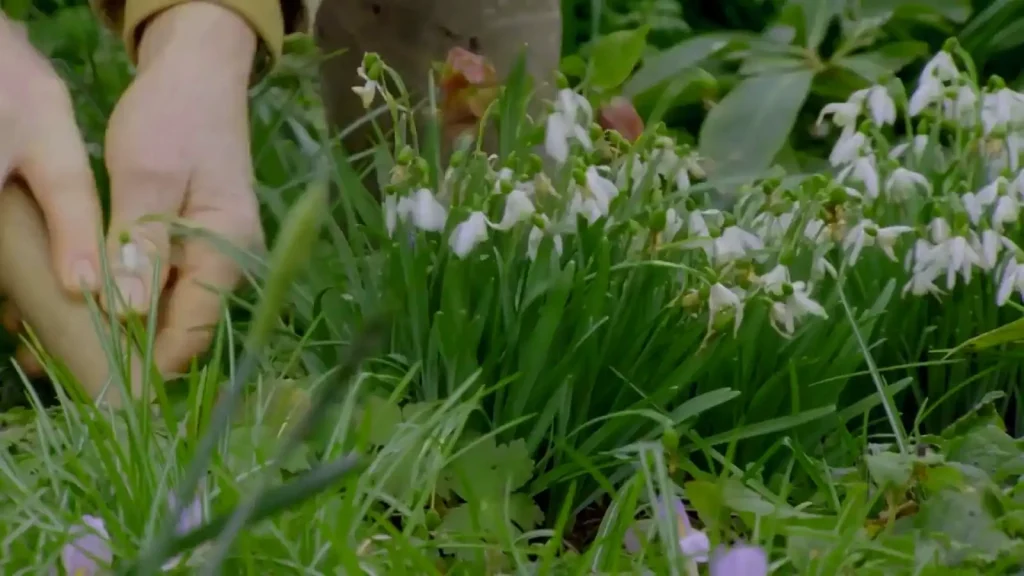
Snowdrop Propagation: The Magical World of Snowdrops
Imagine a winter landscape suddenly coming to life, as delicate white flowers push through frosty ground—these are snowdrops, nature’s most enchanting early spring performers. These tiny, elegant blooms are more than just a beautiful sight; they’re a gardener’s opportunity to create a living, spreading carpet of white that can transform an entire garden over time.
In this comprehensive guide, we’ll explore the art and science of snowdrop propagation, revealing how a single small clump can eventually become a breathtaking display that signals the first whispers of spring.
Understanding Snowdrop Propagation: Nature’s Strategy
Snowdrops are remarkably clever plants with two primary methods of spreading:
- Natural Seed Dispersal: Snowdrops can spread by seed, but this is a slow process. Ants play a crucial role in this method, carrying seeds and helping them establish in new locations.
- Vegetative Propagation: This is where gardeners can take an active role. By carefully dividing existing clumps, you can dramatically accelerate the spread of snowdrops across your garden.
The Science Behind Successful Division
Experts like those at Longmeadow garden have perfected the art of snowdrop propagation. The key insights include:
- Snowdrops prefer moist conditions, unlike many other bulbs
- They can be divided when flowering or immediately after
- Each clump contains multiple individual plants waiting to be spread
When and How to Divide Snowdrops: A Step-by-Step Guide
Timing is Everything
The ideal time to divide snowdrops is right after flowering, typically at the end of January or early February. This allows the plants to recover and establish themselves before the growing season ends.

Scan smarter. Create faster. Free.
Download QR & Barcode Studio — Create and scan unlimited QR codes & barcodes.
No paywalls. No limits. 100% Free.

Tools You’ll Need
- A sharp spade
- Gardening gloves
- A prepared planting area
- Optional: Organic compost or leaf mold
The Division Process
- Identify a Mature Clump
- Look for a dense cluster of snowdrops
- Choose a clump that has been established for a few years
- Ensure the clump has a good root system
- Careful Extraction
- Dig around the clump, being careful not to damage the roots
- Lift the entire clump with some surrounding soil
- Be “ruthless but gentle” in your approach
- Separating the Clump
- Gently break or cut the clump into smaller sections
- Aim for small groups of 3-5 plants
- Ensure each division has both roots and leaves
- Replanting
- Plant the divisions at the same depth they were originally growing
- Space small groups about 4-6 inches apart
- Choose areas with partial shade and moisture
Pro Tips for Success
- Moisture is Key: Unlike many bulbs, snowdrops love consistent moisture
- Patience is a Virtue: It takes 3-4 years to develop a substantial display
- Start Small: Even tiny clumps can become impressive over time
Cost-Effective Propagation
If you don’t have existing snowdrops, don’t worry. As demonstrated in the Gardeners’ World episode, you can:
- Purchase bulk packages (around 100 bulbs for approximately $8)
- Start with a few clumps and gradually expand
- Be strategic about placement
Long-Term Vision: Creating a Snowdrop Landscape
Imagine walking through your garden in early spring, surrounded by a sea of delicate white flowers. The host of Gardeners’ World shared how his entire spring garden originated from a small clump just 25 years ago. With patience and proper technique, you can create a similar magical transformation.
Troubleshooting Common Challenges
Potential Issues
- Dry Conditions: Can halt snowdrop growth
- Deep Planting: Can prevent successful establishment
- Overcrowding: Reduces individual plant vigor
Solutions
- Water consistently after planting
- Plant at the original growing depth
- Divide clumps every 3-4 years to prevent overcrowding
Conclusion: The Rewards of Patience
Snowdrops are more than just flowers—they’re tiny messengers of resilience, whispering hope into the cold winter landscape. Like silent storytellers, these delicate blooms transform barren ground into a canvas of pristine white, reminding us that beauty can emerge from the most challenging conditions. Your journey into snowdrop propagation is not just about gardening; it’s about creating living art that evolves and spreads with each passing season.
Imagine yourself as a botanical conductor, orchestrating a symphony of white that will bloom long after you’ve planted the first bulbs. Every small clump you divide becomes a promise of future beauty, a connection between your current efforts and the garden’s potential. The magic of snowdrops lies not in instant gratification but in the patient unfolding of nature’s slow and beautiful rhythm.
While the process may seem intricate, remember that even gardening novices can become snowdrop experts. With each careful division, each mindful planting, you’re participating in an age-old dance of renewal. The ants that help scatter seeds, the gentle breaking of clumps, the careful replanting—these are your tools for creating a living landscape that will surprise and delight you year after year.
Success with snowdrops is less about perfection and more about passion. Some divisions might struggle, some clumps might take longer to establish, but nature has an incredible capacity for resilience. Your garden will teach you patience, showing you that growth happens in whispers and subtle movements, not always in dramatic bursts.
As winter’s grip loosens and early spring approaches, your snowdrops will become more than plants. They’ll be markers of hope, tiny white flags signaling the triumph of life over dormancy. Each flower is a testament to your dedication, a small miracle pushing through frosty ground to remind us that beauty is always waiting to emerge.
So take that first step. Divide a clump, plant with care, and water with hope. Your snowdrop journey is just beginning—a beautiful, patient adventure that will transform not just your garden, but your understanding of nature’s quiet miracles.
Find Additional Resources in:
- Local botanical gardens
- Gardening workshops
- Specialist bulb nurseries
FAQ Snowdrop Propagation
Q: What is the best time to divide snowdrops?
A: The optimal time to divide snowdrops is immediately after they finish flowering, typically from late January to early February. This ensures they establish roots before the next growth cycle.
Q: How do snowdrops naturally propagate?
A: Snowdrops spread in two ways: by seed dispersal and vegetative propagation. Ants often carry their seeds, while clumps multiply underground, allowing them to spread organically.
Q: What tools are needed for dividing snowdrops?
A: Essential tools include a sharp spade, gardening gloves, and a prepared planting area. Organic compost or leaf mold can enhance soil quality for successful replanting.
Q: What are the key steps for dividing snowdrops?
A: Dig around a mature clump, lift it carefully, then separate it into smaller sections of 3-5 bulbs each. Replant them at the same depth in a moist, shaded location.
Q: How long does it take for snowdrops to form a large display?
A: Snowdrops require patience. A small clump can transform into a breathtaking display in about 3-4 years, gradually multiplying into a dense floral carpet.
Q: What conditions do snowdrops need to thrive?
A: Snowdrops prefer partial shade and consistently moist soil. Unlike many bulbs, they do not tolerate dry conditions well, making regular watering essential for healthy growth.
Q: What are common mistakes when propagating snowdrops?
A: Deep planting, overcrowding, and dry conditions can hinder snowdrop growth. Plant them at their original depth, space them properly, and ensure regular moisture.
Q: How can I create a snowdrop landscape over time?
A: Start with a few clumps and divide them every 3-4 years. Gradually extend their presence across your garden, turning it into a stunning early spring spectacle.