Surgeons: At the Edge of Life episode 9 – Inside Edinburgh’s Most Extraordinary Surgical Cases
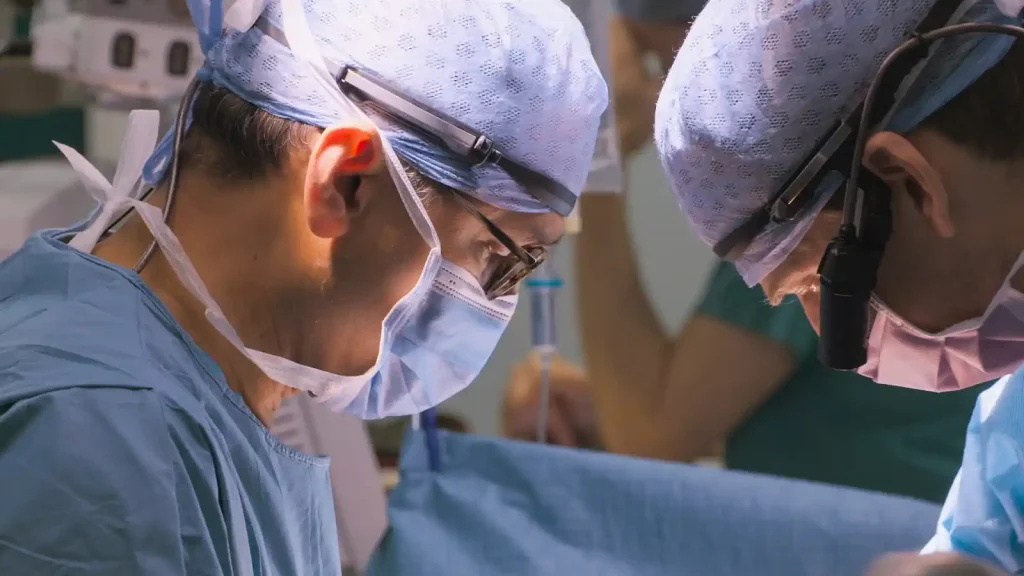
At NHS Lothian’s Royal Infirmary, the atmosphere crackles with a distinctive tension. Within these walls, consultant cardiothoracic surgeon Renzo Pessotto regularly faces cases that would make even seasoned medical professionals pause. His surgical theater has become a last bastion of hope for patients with conditions so complex that treatment options elsewhere have been exhausted.
Today’s patient exemplifies this perfectly. At 78 years old, the elderly gentleman arrives with not one but two formidable medical challenges. His heart is failing—the muscular organ that has faithfully pumped blood through his body for nearly eight decades now struggles with each contraction. However, compounding this already serious condition is a rare tissue disorder that affects merely one percent of the population worldwide.
This tissue abnormality creates a perfect storm of surgical complications. Unlike typical heart patients, standard surgical approaches must be reconsidered and customized. Furthermore, the fragility of the patient’s tissues demands extraordinary precision with each incision and suture. One slight miscalculation could lead to catastrophic bleeding or tissue rupture.
Meanwhile, across the city to the west of Edinburgh at St John’s Hospital, another extraordinary medical journey unfolds. Consultant plastic surgeons Ewa Majdak-Paredes and Neil Cahoon prepare for a procedure that bridges the realms of preventative medicine and reconstructive artistry.

Scan smarter. Create faster. Free.
Download QR & Barcode Studio — Create and scan unlimited QR codes & barcodes.
No paywalls. No limits. 100% Free.

Their patient, 32-year-old Kat, has already endured the physical and emotional gauntlet of breast cancer treatment. Having emerged from that battle, she received devastating news that changed everything. Genetic testing revealed she carries a rare mutation that substantially increases the likelihood of her cancer returning. Rather than living with this genetic sword of Damocles hanging overhead, Kat has made the courageous decision to undergo a preventative double mastectomy.
Yet this isn’t simply a story of tissue removal. Majdak-Paredes and Cahoon will simultaneously perform intricate breast reconstruction, helping restore not just Kat’s physical appearance but also her sense of self after multiple medical traumas.
The surgical team meticulously plans every aspect of this dual procedure. They must balance oncological safety with aesthetic considerations while navigating the complexities introduced by Kat’s previous cancer treatments. Scar tissue, altered blood supply, and radiation effects all create additional surgical variables that must be accounted for.
“When patients like Kat make these decisions, they’re not just choosing surgery,” explains Dr. Majdak-Paredes during pre-operative preparations. “They’re choosing to reclaim control over their bodies and their futures. Our job extends beyond the technical aspects of surgery—we’re helping rebuild confidence and wellbeing.”
Back at the Royal Infirmary, Dr. Pessotto’s case presents its own profound challenges. The elderly patient’s open-heart procedure requires a delicate dance between addressing the cardiac failure while accommodating the tissue disorder. Like attempting to repair a watch with parts that could disintegrate at the slightest pressure, each move must be calculated with extraordinary care.
The surgical team works with the precision of master craftspeople, their movements deliberate and synchronized. Time seems suspended in the operating theater as monitors beep steadily, marking each precious heartbeat during this precarious intervention.
Surgeons: At the Edge of Life episode 9
These parallel surgeries represent opposite ends of the age spectrum but share the common thread of medical innovation pushed to its limits. Both procedures exist at the frontier of what modern medicine can achieve—where textbook approaches give way to individualized solutions crafted for unique circumstances.
The documentary cameras capture these intense moments with respectful distance, preserving both the gravity of the procedures and the dignity of the patients. Though the outcomes remain uncertain as the surgeries progress, what’s abundantly clear is the remarkable dedication of these surgical teams.
In both operating theaters, years of specialized training, thousands of hours of practice, and boundless compassion converge to give these patients their best possible chance. Whether fighting against the ravages of age and rare disease or helping a young woman reclaim her future from genetic predisposition, these surgeons represent medicine at its most humanistic and technically brilliant.
As viewers, we’re privileged to witness these extraordinary medical journeys—reminders of both human fragility and the remarkable resilience that emerges when skilled professionals refuse to accept limitation as the final word.
Surgeons: At the Edge of Life episode 9 – The Legacy of Edinburgh’s Surgical Pioneers
As the surgical dramas at NHS Lothian’s Royal Infirmary and St John’s Hospital conclude, the profound impact of these medical interventions extends far beyond the operating theaters. These extraordinary cases, therefore, remind us of the remarkable intersection between cutting-edge science and deeply human care.
The 78-year-old patient with his failing heart and rare tissue disorder represents countless individuals who benefit from Dr. Pessotto’s unwavering commitment to pushing surgical boundaries. Similarly, Kat’s journey through breast cancer and preventative surgery illuminates how modern medicine not only treats illness but also empowers patients to reshape their futures. These stories, when viewed together, paint a vivid portrait of medicine’s dual mission: to heal bodies and restore lives.
What makes these Edinburgh surgeons truly exceptional, however, is not merely their technical prowess but their holistic understanding of healing. They recognize that behind every incision lies a human story—a constellation of hopes, fears, and dreams inseparable from the physical body under their care.
Furthermore, these cases highlight the collaborative nature of modern medicine. No surgeon works alone; instead, they orchestrate teams of specialists, each contributing vital expertise to these complex procedures. This teamwork, consequently, amplifies what any individual could accomplish alone.
The documentary cameras have captured not just medical procedures but profound human moments—the quiet determination in a surgeon’s eyes, the supportive hand on a patient’s shoulder, the collective breath held during critical moments. These glimpses into medical excellence serve as powerful reminders of what humanity can achieve when knowledge, skill, and compassion converge.
Additionally, these Edinburgh hospitals stand as beacons of innovation where conventional limitations are constantly challenged. Through persistent refinement of techniques and unwavering dedication to patient outcomes, these surgical teams expand what’s possible in medicine day by day.
As viewers, we walk away from these extraordinary cases with renewed appreciation for life’s fragility and the remarkable individuals who dedicate themselves to preserving it. The surgical theaters of Edinburgh thus become metaphors for the broader human struggle—facing seemingly impossible challenges with courage, ingenuity, and unwavering resolve.
In the end, these surgical journeys remind us that medicine at its finest is both a precise science and a profound art—each procedure a testament to the enduring human commitment to healing one another against all odds.
FAQ Surgeons: At the Edge of Life episode 9
Q: What makes the surgical cases at NHS Lothian’s Royal Infirmary particularly challenging?
A: The surgical cases at NHS Lothian’s Royal Infirmary are exceptionally challenging due to their complex nature that often combines multiple serious medical conditions. For instance, consultant cardiothoracic surgeon Renzo Pessotto treats patients like the 78-year-old gentleman who suffers from both heart failure and a rare tissue disorder affecting only one percent of the global population. This combination creates what medical professionals describe as a perfect storm of surgical complications, requiring completely customized approaches rather than standard protocols. Furthermore, the fragility of tissues in such cases demands extraordinary precision during every moment of the procedure, as even the slightest miscalculation could result in catastrophic outcomes like severe bleeding or tissue rupture.
Q: How do surgeons approach preventative procedures like Kat’s double mastectomy?
A: Surgeons approach preventative procedures like Kat’s double mastectomy with a dual focus on both medical necessity and psychological wellbeing. In Kat’s case, consultant plastic surgeons Ewa Majdak-Paredes and Neil Cahoon meticulously balanced oncological safety with aesthetic considerations to create a comprehensive treatment plan. Initially, they evaluate the patient’s specific genetic risk factors—in Kat’s situation, a rare mutation substantially increasing cancer recurrence likelihood. Subsequently, they develop a surgical strategy that not only removes at-risk tissue but simultaneously incorporates reconstructive techniques to restore physical appearance. Moreover, they must navigate additional complexities from previous cancer treatments, including scar tissue, altered blood supply, and radiation effects. As Dr. Majdak-Paredes explains, these procedures extend beyond technical surgery into helping patients reclaim control over their bodies and futures, essentially rebuilding both physical form and emotional confidence.
Q: What special considerations are required for heart surgery in patients with rare tissue disorders?
A: Heart surgery in patients with rare tissue disorders requires extraordinary considerations that dramatically increase procedural complexity. First and foremost, surgeons must completely reconsider standard surgical approaches, developing customized techniques specific to the patient’s unique tissue abnormalities. The surgical team, led by specialists like Dr. Pessotto, must employ exceptional precision with every incision and suture due to tissue fragility. Additionally, the procedure becomes a delicate balancing act between addressing the cardiac failure while simultaneously accommodating the tissue disorder’s limitations. The operation has been compared to repairing a watch with parts that could disintegrate at the slightest pressure, requiring calculations of extraordinary care at each step. Consequently, these procedures demand not only specialized surgical expertise but also extensive preoperative planning, specialized equipment, modified anesthesia protocols, and highly coordinated teamwork from professionals who understand the unique challenges presented by rare tissue conditions.
Q: How do surgical teams collaborate during complex procedures like those featured in the documentary?
A: Surgical teams collaborate during complex procedures through a remarkably synchronized system that resembles a precisely choreographed performance. At the core, these teams operate with deliberate, coordinated movements where each specialist contributes vital expertise to the overall procedure. The collaboration begins long before the actual surgery with meticulous planning sessions where they anticipate complications and develop contingency protocols. During the operation, communication remains constant yet efficient, with team members often anticipating needs before they’re verbalized. Furthermore, the documentary highlights how these professionals work with the precision of master craftspeople, their collective experience creating an almost intuitive workflow. Time appears suspended in the operating theater with monitoring equipment providing constant feedback while the team maintains unwavering focus. This exceptional teamwork ultimately amplifies what any individual surgeon could accomplish alone, demonstrating how years of specialized training, thousands of practice hours, and boundless compassion converge to give patients their best possible chance at recovery.
Q: What technological innovations are being utilized in Edinburgh’s surgical centers?
A: Edinburgh’s surgical centers utilize cutting-edge technological innovations that position them at the frontier of modern medicine. These hospitals employ advanced imaging systems that provide surgeons with unprecedented visualization of anatomical structures before and during procedures. Additionally, specialized surgical instruments designed for exceptional precision enable surgeons like Dr. Pessotto to operate on extraordinarily fragile tissues that would otherwise be too risky to manipulate. Monitoring technologies play a crucial role as well, continuously tracking vital signs and tissue responses during operations with remarkable sensitivity. Moreover, these centers implement customized approaches where textbook procedures give way to individualized solutions crafted for unique circumstances. The documentary reveals how these Edinburgh hospitals serve as beacons of innovation where conventional limitations are constantly challenged through persistent refinement of techniques. Their unwavering dedication to improving patient outcomes drives them to expand what’s possible in medicine day by day, making these institutions prime examples of how technology and human expertise can combine to overcome seemingly impossible medical challenges.
Q: How do surgeons balance technical expertise with emotional support for patients like Kat?
A: Surgeons balance technical expertise with emotional support through a holistic healing approach that recognizes the inseparable connection between physical and psychological wellbeing. For patients like Kat, surgeons understand that behind every incision lies a human story—a constellation of hopes, fears, and dreams. This understanding manifests in their comprehensive care approach, beginning with thorough consultations where they address not only medical concerns but emotional ones as well. During preoperative preparations, surgeons like Dr. Majdak-Paredes explicitly acknowledge that patients aren’t merely choosing surgery but reclaiming control over their lives. Consequently, they design procedures that consider both medical necessity and personal identity restoration. Throughout treatment, they maintain clear communication about expectations and recovery milestones while demonstrating genuine empathy. This balanced approach recognizes that successful outcomes depend not only on technical surgical excellence but also on supporting the patient’s emotional journey through trauma toward healing. Ultimately, Edinburgh’s surgeons embody medicine’s dual mission: healing bodies while simultaneously restoring lives through compassionate, patient-centered care.
Q: What ethical considerations are involved in filming surgical procedures for documentaries?
A: Filming surgical procedures for documentaries involves numerous ethical considerations that prioritize patient dignity and medical integrity. First and foremost, producers must obtain comprehensive informed consent from patients, ensuring they fully understand how their vulnerable moments will be shared with the public. The documentary crew maintains respectful distance during filming, carefully preserving both the gravity of procedures and the dignity of patients. Additionally, filming must never interfere with medical care or create distractions that could potentially compromise surgical outcomes. Production teams must work closely with hospital ethics committees to establish clear boundaries regarding what can be recorded and shown. Furthermore, the documentary must accurately represent medical realities without sensationalizing or oversimplifying complex procedures merely for dramatic effect. Patient privacy concerns necessitate careful editing to balance educational value with appropriate anonymity when requested. Ultimately, ethical filming serves a greater purpose by promoting public understanding of surgical innovation while inspiring future medical professionals and instilling appreciation for the remarkable individuals dedicated to surgical excellence.
Q: What qualities make Edinburgh’s surgeons exceptional in their fields?
A: Edinburgh’s surgeons distinguish themselves through a remarkable combination of qualities that transcend ordinary medical practice. Primarily, they possess unwavering technical precision honed through years of specialized training and thousands of practice hours. However, what truly elevates these professionals is their holistic understanding of healing that integrates technical expertise with profound human compassion. These surgeons demonstrate exceptional adaptability when confronting unprecedented cases, developing innovative solutions where standard approaches prove insufficient. Additionally, they exhibit extraordinary focus and calm under pressure, particularly during critical moments when a single mistake could have devastating consequences. Their collaborative mindset enables them to orchestrate teams of specialists effectively, recognizing that collective expertise yields superior outcomes. Perhaps most importantly, Edinburgh’s surgeons maintain boundless determination in the face of seemingly impossible medical challenges, refusing to accept limitations as final verdicts. Through their persistent refinement of techniques and unwavering dedication to patient wellbeing, these remarkable individuals expand what’s possible in medicine daily, embodying the perfect union of scientific precision and healing artistry.