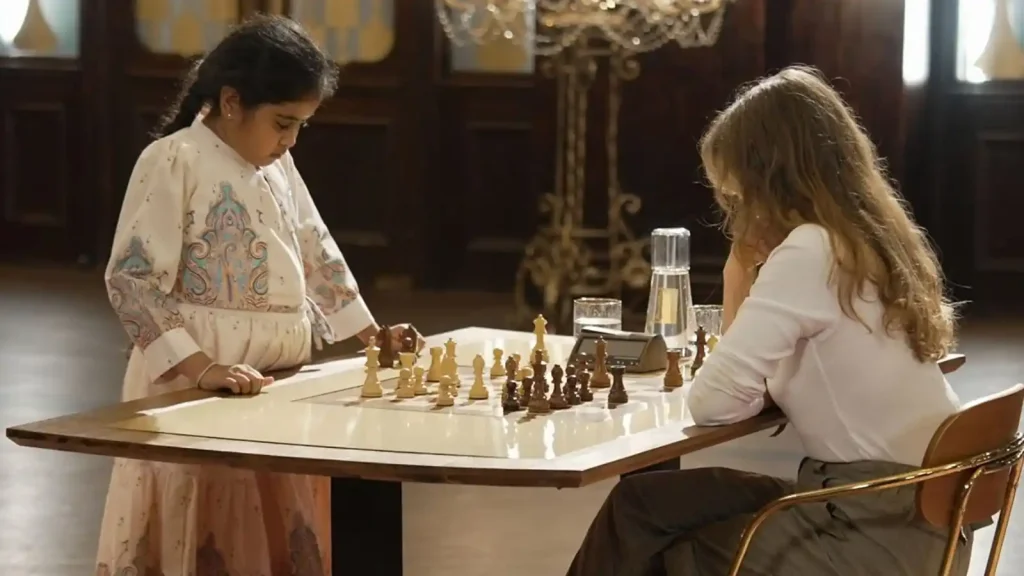
Chess Masters The Endgame episode 7: Welcome back to the heart-stopping drama of Chess Masters: The Endgame. We’ve reached Episode 7, a pivotal moment where the journey intensifies dramatically. Remember those grueling initial heats? They tested skill, nerve, and strategy relentlessly. From that intense crucible, only the strongest survived. Now, the absolute best from each heat prepare for their first true confrontation. Imagine the tension; the air crackles with anticipation. Six players, masters of the board, stand on the brink. They are the semi-finalists, the elite who proved their mettle. Today, however, marks a brand new beginning.
For the very first time, these six formidable minds will share the same space. They size each other up, reputations preceding them like shadows. Until now, they were rivals in separate arenas. Consequently, this encounter feels electric. They gather, a constellation of chess brilliance ready to collide. Each player carries the weight of expectation and personal ambition. Furthermore, they know the path ahead demands everything they have. Pushing limits isn’t just expected; it’s the only way forward. They must fight tooth and nail, because only a select few will earn a coveted spot in the grand final. The dream is close, yet still agonizingly far.
The magnificent Great Hall serves as the arena for this crucial stage. This isn’t just any room; it’s a hallowed ground for chess battles. Sunlight streams through tall windows, illuminating the polished boards. However, the atmosphere inside is anything but light. It feels thick with concentration, like a library holding its breath. The silence is profound, broken only by the soft click of pieces and the steady ticking of clocks. Indeed, this grand setting will host the most demanding challenges these players have faced yet. The pressure mounts considerably. Each move carries immense significance now. One mistake could shatter a championship dream instantly.
The contest evolves, becoming a true test of endurance and mental fortitude. The challenges laid out today are designed to probe deeper than ever before. Players must delve into complex strategies and navigate intricate tactical webs. It’s like walking a tightrope without a net. Moreover, the psychological game intensifies. Reading opponents, managing nerves, and maintaining focus under duress become paramount. The organizers have truly raised the stakes. As a result, the semi-finalists must summon reserves of strength they perhaps didn’t even know they possessed. This phase truly embodies the “Endgame” spirit. Every decision is critical; every pawn push resonates with consequence.
Suddenly, a new, unexpected challenge emerges. The players must face the astonishing talent of child prodigy Bodhana Sivanandan. Picture this: seasoned masters pitted against a young whirlwind of chess genius. Bodhana represents a unique hurdle, a force of nature on the 64 squares. Her reputation precedes her, whispered in chess circles worldwide. Therefore, facing her adds an unpredictable, thrilling dimension to the competition. It’s a test not just of skill, but of composure against unexpected brilliance. Can these experienced players handle the pressure of playing such a celebrated young talent? It’s a fascinating dynamic, adding another layer of intrigue to this already intense day.

Scan smarter. Create faster. Free.
Download QR & Barcode Studio — Create and scan unlimited QR codes & barcodes.
No paywalls. No limits. 100% Free.

The day unfolds as a relentless gauntlet. Challenge after challenge pushes the semi-finalists to their absolute breaking point. First, they might grapple with complex theoretical endgames. Next, they could face rapid-fire tactical puzzles demanding instant calculation. Then, perhaps, comes the ultimate test against Bodhana herself. Throughout these trials, the atmosphere remains incredibly tense. You can almost feel the mental gears grinding, the silent battles waged within each player’s mind. Meanwhile, the clock ticks relentlessly, adding another layer of pressure. Staying sharp, adapting quickly, and executing flawlessly are the keys to survival. It’s a marathon of the mind, demanding peak performance hour after hour.
Chess Masters The Endgame episode 7
Unfortunately, not everyone can advance. The cruel reality of competition means dreams must end for some. Over the course of this demanding day, two players will face elimination. Imagine the heartbreak. After weeks, perhaps months, of dedication and struggle, their journey concludes here. The elimination process is brutal but necessary. It sharpens the focus on those who remain, intensifying the fight for the final. Consequently, every move feels heavier, knowing that dismissal looms. Witnessing hopes dashed is always tough, yet it underscores the immense value of reaching the next stage. The contrast between triumphant advancement and crushing defeat defines this episode.
The pressure is almost tangible now. Reaching the final isn’t just about glory; it’s the culmination of countless hours of study and sacrifice. For these players, chess is more than a game; it’s their passion, their life’s work. Elimination, therefore, represents a bitter setback. The final promises the ultimate showdown, a chance to etch their name into Chess Masters history. Only the most resilient, the most strategically astute, and the mentally toughest will survive this semi-final crucible. Who will rise to the occasion? Who will falter under the immense weight? The answers lie on the chessboard, waiting to be revealed in this unforgettable seventh episode. Don’t miss a single move.
Checkmate or Stalemate? A Deep Dive into “Chess Masters: The Endgame” Episode 7
“Chess Masters: The Endgame” returned this week with its seventh episode, aptly plunging us deep into the semifinal pressure cooker. The episode description promises high stakes, and indeed, it delivers. Six rising UK chess stars remained after grueling heats. Now, they face their toughest challenges yet. The coveted final awaits only four. This episode truly felt like war on a board. It masterfully blended strategic tension with raw human emotion. Consequently, it kept viewers on the edge of their seats.
The episode kicked off with the unique “War and Pieces” challenge. Grandmaster David Howell designed this unusual game specifically for the semifinal. Players secretly assembled their own armies, choosing pieces worth up to 24 points. However, kings and pawns were free. This twist added a fascinating layer of strategy. Contestants had to gamble, selecting forces without knowing their opponent’s choices. Subsequently, the reveals at the table were filled with suspense.
Three intense matches unfolded simultaneously. On board one, attacking Lula faced Thalia the Tactician. Both opted for a mix of bishops and knights, seeking versatility. Meanwhile, board two hosted a Scottish derby. Junior champion Caitlin battled retired RAF engineer Richie. Richie boldly chose two queens and a rook, banking on power. Conversely, Caitlin focused on strength in numbers. Finally, board three saw comeback kings Navi and Kel clash. Intriguingly, they selected identical armies: queens and knights, an attacking combo. This set the stage for a truly explosive encounter. The winners would advance directly to the final.
Richie quickly gained an advantage against Caitlin. He cleverly tempted her into a queen trade that favored him. Losing her only queen early forced Caitlin onto the defensive. Richie, the seasoned strategist, capitalized ruthlessly. He systematically dismantled her pawn structure. Eventually, he promoted a pawn to gain a second queen. His checkmate was a masterful display of control. Caitlin, despite her fighting spirit, was outplayed.
The Navi versus Kel match was equally gripping. Kel seized an early advantage after Navi blundered, losing a queen to a knight fork. This seemed catastrophic for Navi. Yet, Navi, “The Unrelenting Warrior,” lived up to his name. He fought back fiercely despite the material deficit. His resilience, previously demonstrated in multiple eliminators, shone through. Kel maintained pressure, promoting a pawn to a third queen on the board. Ultimately, Navi succumbed not to checkmate, but to the clock. Kel secured his spot in the final, showcasing his killer instinct.
Lula and Thalia’s game was a tense standoff initially. Thalia, true to her tactical style, employed a clever “fianchetto” with her two bishops. She eventually broke through Lula’s defenses, capturing a key pawn. The game transitioned into a close endgame. Thalia skillfully promoted a pawn, sacrificed her new queen strategically, and then promoted another pawn. This led to a classic queen-versus-king checkmate, securing Thalia’s final place. Lula, experiencing her first loss, was visibly disappointed but determined.
Character development was prominent. Navi shared a touching backstory about his late sister Chinwe, who introduced him to chess. This added emotional depth to his relentless fighting spirit. Kel’s transformation from “Action Man” to a strategically sharp player was evident. Richie, the quiet strategist, proved age is no barrier to chess prowess. Thalia’s tactical brilliance consistently impressed. Lula, the “Chess Princess,” showed vulnerability after her loss but also fierce determination. Caitlin displayed resilience and grace even in defeat. Performances felt authentic, capturing the intense mental and emotional toll of competitive chess.
The episode’s writing effectively conveyed the strategic complexities without excessive jargon. Grandmaster David Howell and coach Anthony Mathurin provided insightful commentary. Their explanations of moves, like the fianchetto or potential forks, were clear. Dialogue felt natural, ranging from focused game talk to moments of reflection and banter. The storytelling balanced game analysis with personal insights, creating a compelling narrative. Sentences were generally concise, enhancing the fast-paced feel, especially during timed rounds. Furthermore, transition words guided the viewer smoothly between different matches and segments.
A major theme explored was resilience. Navi embodied this, constantly fighting back from difficult positions. Kel also demonstrated resilience, having survived multiple eliminators. Caitlin spoke about overcoming struggles through chess. The episode highlighted chess as more than a game; it’s a mental battle demanding focus, strategy, and emotional control. The psychological aspect was palpable, seen in Navi’s attempts at mind games and Lula’s struggle after losing.
The second half introduced another unique challenge. The three losers faced nine-year-old chess prodigy Bodhana Sivanandan. Bodhana, an England international and chess Olympian, played them simultaneously. This was a survival round; the player checkmated in the fewest moves would be eliminated. The tension was immense. Bodhana’s skill was undeniable, quickly putting pressure on all three. Navi blundered early, losing material. Lula faced a devastating double attack. Caitlin initially held firm but eventually fell into a trap, losing her rook. Bodhana’s checkmates were swift and decisive. Ultimately, Caitlin was eliminated, having survived the fewest moves (38). Navi survived with 41 moves, and Lula lasted the longest with 46.
This elimination format was a stroke of genius. Facing a young prodigy added a unique psychological layer. It tested the players’ nerves under extraordinary pressure. Bodhana’s calm efficiency was truly impressive.
The final segment pitted Navi against Lula for the last spot in the final. Navi, facing his fourth eliminator, attempted psychological tactics. Lula, however, remained focused. She gained a material advantage after Navi overlooked a threat. Despite Navi’s trademark resilience and mind games (even leaving the board briefly), Lula played aggressively and accurately. She simplified the position, forced exchanges, and secured a commanding advantage. Her checkmate was clinical, earning her the final place. Navi’s journey, marked by incredible comebacks, finally ended.
As the penultimate episode, this installment effectively raised the stakes. It narrowed the field from six to the final four: Richie, Kel, Thalia, and Lula. The challenges tested different aspects of chess skill – strategic planning in “War and Pieces,” nerve under pressure against Bodhana, and head-to-head combat in the final eliminator. Consequently, it sets up an exciting finale.
Strengths of the episode include its innovative challenge formats. “War and Pieces” and the simultaneous exhibition against Bodhana were fresh and engaging. The blend of strategic analysis and human drama was excellent. The pacing kept the tension high throughout. Moreover, the emotional connections forged with the players, especially Navi and Caitlin, added significant weight.
A minor weakness might be the briefness of some game analyses. While commentators highlighted key moments, the rapid cuts between boards occasionally made intricate tactics hard to fully grasp for casual viewers. However, the focus remained clearly on the pressure and the outcomes. The editing successfully conveyed the simultaneous nature of the challenges without feeling disjointed.
In conclusion, “Chess Masters: The Endgame” episode 7 was a triumph. It delivered intense chess action, compelling character moments, and innovative challenges. The episode successfully built anticipation for the final showdown. It showcased the strategic depth and psychological fortitude required at this level. Viewers witnessed battles of wit, resilience, and nerve. The final four truly earned their places. The stage is now set for crowning Britain’s chess master.
FAQ Chess Masters The Endgame episode 7
Q: What happens in Episode 7 of Chess Masters: The Endgame?
A: Episode 7 features the intense semifinal stage where six players compete for only four spots in the grand final. The episode includes three unique challenges: the strategic “War and Pieces” game designed by Grandmaster David Howell, a simultaneous exhibition against child prodigy Bodhana Sivanandan, and elimination matches. Throughout this pivotal episode, players face unprecedented pressure as they battle on the mental chessboard, showcasing resilience, tactical brilliance, and psychological fortitude.
Q: How does the “War and Pieces” challenge work?
A: The “War and Pieces” challenge allows players to secretly assemble their own armies, choosing pieces worth up to 24 points (kings and pawns are free). This innovative format adds a fascinating strategic dimension since contestants must gamble on their selection without knowing their opponent’s choices. After the reveals at the table, three intense matches unfold simultaneously, with winners advancing directly to the final. The challenge tests both creative army composition and tactical execution under pressure.
Q: Who are the semifinalists in Episode 7?
A: The six semifinalists include Lula (“The Chess Princess”), Thalia (“The Tactician”), Caitlin (junior champion), Richie (retired RAF engineer), Navi (“The Unrelenting Warrior”), and Kel (“Action Man”). Each player brings a unique style and background to the competition. For instance, Navi shares a touching backstory about his late sister who introduced him to chess, while Richie proves that age is no barrier to chess prowess. These diverse personalities create compelling narratives throughout the episode.
Q: What role does Bodhana Sivanandan play in the episode?
A: Nine-year-old chess prodigy Bodhana Sivanandan, an England international and chess Olympian, plays the three losers from the first challenge simultaneously. This serves as a survival round where the player checkmated in the fewest moves gets eliminated. Bodhana’s calm efficiency puts immense pressure on the semifinalists, quickly dismantling their defenses with impressive skill. This unique elimination format adds an extraordinary psychological dimension to the competition, testing players’ nerves under unprecedented pressure.
Q: Who advances to the final round?
A: Four players advance to the grand final: Richie, Kel, Thalia, and Lula. Richie defeats Caitlin with masterful control in the “War and Pieces” challenge. Kel overcomes Navi after capitalizing on a blunder that cost Navi his queen. Thalia secures her spot by defeating Lula through clever tactical play. Finally, Lula claims the fourth spot by winning the last elimination match against Navi, playing aggressively and accurately despite Navi’s psychological tactics.
Q: What themes are explored in Episode 7?
A: Resilience emerges as a major theme, particularly embodied by Navi who constantly fights back from difficult positions. The episode highlights chess as more than just a game; it’s a mental battle demanding focus, strategy, and emotional control. Furthermore, the psychological aspects of competitive chess are vividly portrayed through Navi’s mind games, Lula’s struggle after experiencing her first loss, and the extraordinary pressure of facing a child prodigy. Character development adds emotional depth, connecting viewers to each player’s unique journey.
Q: How does Episode 7 set up the finale?
A: Episode 7 effectively raises the stakes by narrowing the field from six players to the final four: Richie, Kel, Thalia, and Lula. The challenges test different aspects of chess skill – strategic planning in “War and Pieces,” nerve under pressure against Bodhana, and head-to-head combat in the final eliminator. Consequently, it creates tremendous anticipation for the finale. The episode showcases that the four finalists have truly earned their places through strategic brilliance, tactical precision, and mental fortitude, setting up an exciting conclusion to determine Britain’s chess master.