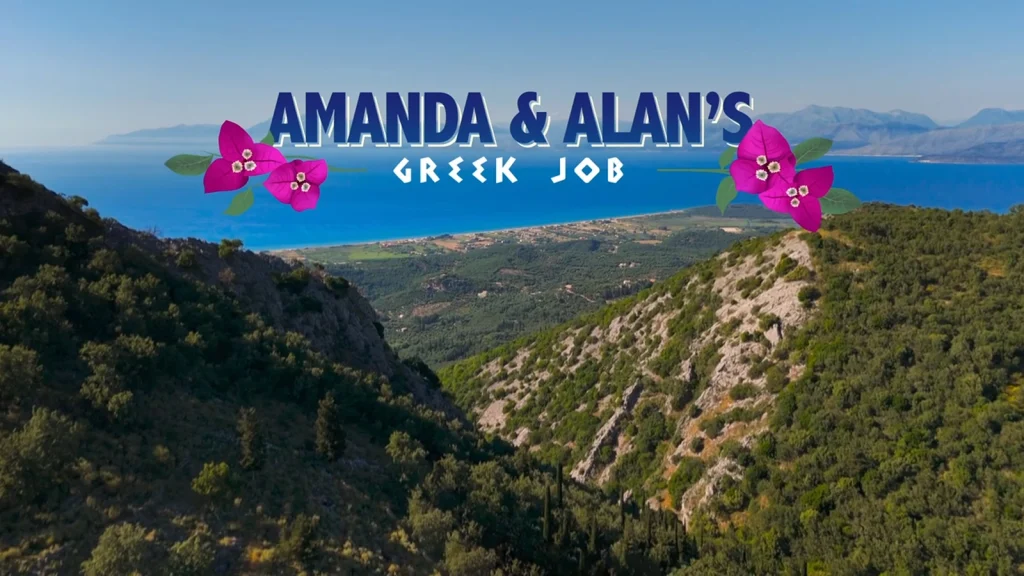
Amanda & Alan’s Greek Job episode 4 begins with the renovation duo facing the most demanding phase of their Mediterranean transformation to date. As they reach the halfway point of their ambitious project on the stunning island of Corfu, the focus shifts toward the functional and cultural heart of any Greek property: the kitchen. This specific stage of the greek renovation requires a delicate balance between preserving the rustic charm of a traditional Corfiot home and introducing the modern amenities required for a high-end holiday villa. While the previous weeks saw the completion of the living area and the children’s bedroom, this chapter of the Greek Job focuses on deep structural changes and significant design choices that define the home’s character.
The significance of this stage in the property rescue cannot be overstated, as the kitchen serves as the primary gathering space for any future residents. In the context of a wider restoration project, the decisions made here—ranging from the preservation of ancient bread ovens to the installation of contemporary cabinetry—reflect the overarching philosophy of the entire series. Amanda Holden and Alan Carr approach these challenges with their signature blend of humor and hard work, demonstrating that even the most daunting home makeover tasks can be tackled with creativity. Their journey through the local culture of Corfu provides the necessary inspiration to ensure the house feels authentic to its surroundings.
The scope of the work explored in Amanda & Alan’s Greek Job episode 4 encompasses everything from heavy manual labor to refined interior design. Readers will discover the intricate process of lifting and relaying ancient flagstone floors, the artistic endeavor of carving local olive wood, and the culinary traditions that inform the layout of a Greek kitchen. Furthermore, the narrative details the duo’s excursions to the neighboring island of Paxos and the historic streets of Corfu Town, which provide a broader perspective on the architectural and historical influences at play. By integrating these local experiences into the renovation process, the project becomes more than just a construction job; it becomes a tribute to the island’s heritage.
The background of the project reveals a house that was once a “tip,” overgrown with ivy and filled with debris. Previous efforts in the greek renovation had already established a baseline of quality, but the kitchen presented unique obstacles, including a roof that needed complete removal and a floor resting directly on the earth. Amanda Holden brings a highly organized, mood-board-driven approach to these problems, while Alan Carr prefers a more intuitive, three-dimensional style of designing that involves experiencing the space physically. This contrast in methodology often leads to creative tension, yet it ultimately results in a more layered and interesting final product for the Greek property.
As the renovation progresses, the importance of preparation and organization becomes a central theme. Amanda emphasizes that without a clear plan, the most innovative ideas can easily get lost in the chaos of a construction site. Conversely, Alan champions the idea that design is about making mistakes and learning from them in real-time. This philosophical divide sets the tone for the episode, as they navigate the complexities of working with local builders and sourcing materials that reflect the “quietly confident” nature of Corfu. Their interactions with the local community, from food writers to craftsmen, further enrich the project’s direction.

Scan smarter. Create faster. Free.
Download QR & Barcode Studio — Create and scan unlimited QR codes & barcodes.
No paywalls. No limits. 100% Free.

The transition from planning to execution is marked by a deep immersion into Corfiot traditions. While one partner focuses on the modern requirements of a showroom-bought kitchen, the other seeks out the wisdom of local “yiayias” to understand how the space will actually be used for cooking. This dual approach ensures that the house remains functional for modern living while respecting the “pastitsada”-scented history of the region. The rhythmic slapping of plaster on stone and the grinding of gearboxes in Alan’s memory serve as reminders of the manual skill required to bring such a vision to life.
Throughout this phase, the landscape of Corfu itself acts as a silent partner in the design process. The sage green of the hillsides, the limestone of the coastal caves, and the silver-green of the olive groves all find their way into the color palette and material choices of the home. Even the light, transformed by the discovery of a hidden window, plays a crucial role in how the renovated spaces are perceived. The project evolves into a “throuple” of sorts, involving the two hosts and their lead builder, Stamatis, whose expertise is essential for navigating the structural realities of an ancient building.
Finally, the project moves toward a sense of completion as the structural work gives way to the finishing touches. The installation of a custom olive wood breakfast bar and the reveal of the cleaned flagstone floor represent the culmination of weeks of effort. As the duo reflects on their progress, it becomes clear that the house is no longer just a building site but a burgeoning home. This transition sets the stage for the remaining rooms, promising further explorations of intimacy and design in the upcoming phases of their Greek journey.
Structural Revitalization and Floor Restoration in Amanda & Alan’s Greek Job episode 4
The physical labor involved in the restoration of the kitchen floor serves as one of the most significant challenges in the project. The original flagstones, which provide the house with its authentic Mediterranean character, were found to be resting directly on the earth rather than a solid foundation. This necessitated a painstaking process of lifting each individual slab, a task that required significant physical strength and precision. Stamatis, the lead builder, guided the duo through this process, emphasizing the need for a cement base to ensure the floor’s longevity and stability in a modern context.
The manual effort required to move thirty-five heavy stone slabs became a point of contention and humor between the hosts. While Stamatis initially attempted to shield Amanda from the heaviest lifting, she insisted on proving her capability, asserting her strength as a woman and her commitment to the manual aspects of the restoration. This segment of the property rescue highlights the “un-glamorous” side of home renovation, where the success of the final aesthetic depends entirely on the grueling structural work performed in the early stages. The interaction between the British team and the local Greek builders illustrates the cultural exchange inherent in such an international project.
Once the slabs were lifted and the ground prepared with cement, the process of cleaning and relaying the stones began. This was not merely a construction task but an act of preservation. By reusing the original materials, the team ensured that the history of the house remained visible underfoot. The final result, a level and clean flagstone floor, transformed the kitchen from a dusty ruin into a professional-grade space. This foundational work allowed the subsequent installation of the modern kitchen units to proceed smoothly, creating a literal and metaphorical base for the rest of the design.
Culinary Traditions Informing the Heart of the Greek Job
To truly understand the requirements of a Corfiot kitchen, Alan Carr sought out the expertise of the local “yiayias,” the grandmothers who are considered the keepers of Greek culinary tradition. In the village of Perivoli, Alan met with food writer Anastasia and her grandmother to learn the secrets of “pastitsada,” a signature Corfiot dish. This culinary exploration revealed the deep historical links between Corfu and Venice, as the dish relies heavily on spices like cloves, cinnamon, and spicy paprika—flavors introduced via the Venetian spice trails four centuries ago.
The experience of cooking in a traditional outhouse kitchen provided Alan with a direct connection to the island’s past. He observed the “yiayia” as she prepared a slow-cooked meat dish using beef short ribs and tomatoes picked fresh from her garden. This immersion into local life emphasized the importance of the kitchen as a space for slow, deliberate preparation and family gathering. The grandmother’s insistence on speed in preparation, despite the two-hour cooking time, added a layer of comedic urgency to the lesson, reflecting the spirited nature of the local culture.
This cultural research directly influenced the duo’s approach to the restoration of the house’s original bread oven. Rather than removing this ancient feature to make more space, Alan insisted on its preservation and restoration. By cleaning out the debris and applying fresh plaster using traditional Mediterranean techniques, the team breathed new life into a feature that connects the modern holiday home to the ancient “pitta people” of Corfu. This decision ensures that future guests can engage with the same culinary traditions Alan experienced in Perivoli, making the kitchen a truly functional bridge between the past and present.
Modern Design Aesthetics in Amanda & Alan’s Greek Job episode 4
While Alan focused on traditional elements, Amanda Holden took the lead on the contemporary aspects of the kitchen’s design. Visiting a local showroom near Corfu Town, she sought a “sleek, modern, and simple” aesthetic that would contrast with the ancient shell of the house. This choice reflects a sophisticated approach to the Greek Job, where the goal is not to create a museum piece but a comfortable, high-functioning holiday home. Amanda’s selection of cabinetry and worktops was guided by a desire for a “quietly confident” look that mirrored the natural beauty of the island.
A key element of this modern vision was the selection of a pale sage green for the kitchen units. This color was chosen specifically because sage grows wild across Corfu, allowing the interior of the home to harmonize with the exterior landscape. Amanda’s use of a mood board—a point of playful mockery for Alan—allowed her to maintain a consistent vision throughout the procurement process. The introduction of “Arctic Ice” worktops provided a clean, bright surface that enhanced the sense of space and light within the room, moving the project closer to its goal of being a “gorgeous family holiday home.”
The tension between Amanda’s organized 2D planning and Alan’s 3D “twirling” approach to design reached a climax during the kitchen installation. Amanda’s decision to purchase a pre-made kitchen rather than building one from scratch marked a first for the duo’s various renovation projects. This shift in strategy allowed for a more refined finish and a faster turnaround, which was necessary given the scale of the structural work required elsewhere. The successful integration of these modern units into the ancient stone structure serves as a testament to the duo’s evolving skills as interior designers.
Maritime History and Architectural Inspiration from Corfu Town
The design choices made in the greek renovation were heavily influenced by the architectural tapestry of Corfu Town. During a “hop-on-hop-off” bus tour, Amanda and Alan explored the city’s history as a thriving maritime trading hub. The skyline, dominated by the 500-year-old basilica of Saint Spyridon and influenced by Byzantine, Napoleonic, and Venetian styles, provided a visual encyclopedia of the island’s heritage. This excursion allowed the pair to see how disparate historical styles can coexist seamlessly, reinforcing their decision to mix old and new elements within their own project.
The tour highlighted specific landmarks, such as the Liston Promenade and the old Venetian forts, which exemplify the “quietly confident” aesthetic they sought for their home. Seeing the city’s layers of history—including a surprising Marks & Spencer’s located near ancient bell towers—reminded the duo that a living space must evolve with the times while respecting its origins. The tradition of kissing the slippered feet of Saint Spyridon for a blessing inspired a moment of reflection on the “prayer” their own house needed to survive the renovation process.
Safety and humor also played a role in this historical exploration, as the open-top bus required the duo to frequently duck beneath low-hanging branches and wires. This physical engagement with the city’s narrow streets mirrored the awkward positions they often found themselves in while working on the house. The tour served as a vital “break” from the manual labor of the property rescue, providing the mental clarity needed to tackle the final stages of the kitchen build. It reinforced the idea that the house is part of a larger community with a rich, multifaceted identity.
Natural Wonders and Emotional Connections on Paxos
The broader context of the Greek Job episode 4 extended to the neighboring island of Paxos, where Amanda and Alan traveled to explore the famous limestone caves. Accessible only by boat, these caves offered a striking visual metaphor for the project: ancient, rugged, and filled with a “magical” blue light. The duo’s reaction to the eerie beauty of the caves led to a deeper conversation about the island’s history, specifically the role these natural structures played as hiding places during World War II. This added a layer of emotional weight to their understanding of the Greek landscape.
During this excursion, the conversation shifted from the technicalities of home makeover to more personal reflections on friendship and loyalty. Alan’s observation that a friend circle should be “loyal, fun, and free of boring people” resonated with their own working relationship. They discussed the importance of being “world savvy” and practical, traits that are essential for anyone attempting a complex restoration in a foreign country. This personal intimacy, developed in the quiet of the Paxos caves, translates into the chemistry seen on-site at the house.
The limestone of the caves also provided aesthetic inspiration, as the cool tones and smooth textures of the rock mirrored the “Arctic Ice” worktops Amanda had selected for the kitchen. The experience of seeing the “most beautiful colors” in nature reinforced their color palette choices back at the house. By stepping away from the construction site and immersing themselves in the natural wonders of the archipelago, the duo was able to return to the renovation with a renewed sense of purpose and a clearer vision for the “family villa” they were creating.
Traditional Craftsmanship and Olive Wood Integration
A pivotal moment in the greek renovation occurred in the mountain village of Makrades, where Amanda Holden sought out local woodcarvers to source authentic materials for the kitchen. Corfu’s landscape is defined by its millions of olive trees, many of which were planted centuries ago during the Venetian occupation. The tradition of carving olive wood is a significant part of the island’s heritage, and Amanda was determined to include this local material in the house. She met with a father-and-son team of craftsmen, Spiros and Lefteris, to learn the basics of the trade.
The process of “whittling wood” was both a creative and a commercial endeavor. Amanda tried her hand at shaping a piece of timber into a chopping board, an experience that gave her a “baby’s bottom” smooth finish through careful sanding and oiling. This hands-on experience with local materials allowed her to appreciate the “generational family businesses” that still thrive on the island. The warmth and generosity of the craftsmen, who ultimately gifted a 600-year-old piece of olive wood for the house, highlighted the “heart” that goes into both the craft and the renovation project.
The integration of this olive wood into the kitchen served as the perfect “rustic touch” to balance Amanda’s sleek, modern cabinets. The wood was used to create a custom breakfast bar, a feature that Alan initially knew nothing about. This element became a centerpiece of the room, providing a direct link to the Corfiot soil and the island’s agricultural history. By using materials found “all around us,” the team ensured that the house felt grounded in its environment, achieving the “mix of old and new” that is central to a successful property rescue.
Lighting and Structural Discovery in the Kitchen
The removal of the old kitchen roof in Amanda & Alan’s Greek Job episode 4 led to a “game-changing” discovery that significantly altered the room’s design. As the builders stripped away the decaying structure, they uncovered a hidden window that had been boarded up for years. This discovery was described as “magical,” as it allowed natural light to stream into a space that had previously been dark and cramped. The additional light not only improved the room’s atmosphere but also made the small kitchen feel “double the space.”
The structural decision to whitewash the newly exposed pitched roof further enhanced this sense of openness. By cleaning up the beams and painting them white, the team created an “airy” environment that complemented the pale sage green of the units. This phase of the home makeover demonstrated the importance of being adaptable; when the house “reveals” its secrets, the designers must be ready to pivot their plans to take advantage of new opportunities. The window transformed the kitchen from a functional room into a highlight of the house.
The final lighting plan, which included the installation of modern fixtures alongside the natural light from the new window, ensured that the kitchen would be a bright and inviting space at any time of day. This emphasis on “light and open” design is a hallmark of contemporary Mediterranean style, making the property more attractive for future holiday use. The successful handling of these structural and lighting challenges marked a turning point in the episode, as the team moved from the “disgusting” initial state of the room to a polished, professional finish.
Humor, Personal Growth, and the “Dating Scene” in Corfu
Throughout the demanding tasks of the greek renovation, the duo maintained their morale through constant humor and personal banter. A recurring theme in this chapter was Alan Carr’s “love life” in Corfu, which Amanda playfully intervened in by signing him up for a Greek dating app. This subplot provided a comedic counterpoint to the serious work of construction, involving humorous discussions about profile pictures—including one with a donkey—and the geographical challenges of finding love when the nearest matches are in Albania.
The renovation also provided moments of personal self-discovery for Alan, who realized during the plastering process that he might actually be left-handed. He noted that while he designs with his right hand, he eats and now plasters better with his left. This “skillset” from his past experience working in a factory sanding gearboxes proved surprisingly useful during the restoration of the bread oven. These moments of reflection show that a home makeover is as much about the growth of the renovators as it is about the transformation of the building.
The playful competition between the two hosts—such as Amanda’s “strong-arming” of Stamatis and Alan’s “double act” turning into a “throuple”—added a dynamic energy to the project. Even a sudden loud bang on the roof, jokingly attributed to a rival interior designer like Kelly Hoppen, was handled with a laugh. This levity is essential for managing the stress of a property rescue, ensuring that the project remains a “job of the heart.” The episode concludes with the duo feeling empowered by their progress, ready to bring “passion” to the next phase of the project: the Aphrodite suite.
The Final Reveal and Reflection on the Greek Job
The culmination of the work in Amanda & Alan’s Greek Job episode 4 was the final reveal of the completed kitchen. The combination of the restored flagstone floor, the pale sage cabinetry, the “Arctic Ice” worktops, and the 600-year-old olive wood breakfast bar created a space that Alan described as “above and beyond what we’ve ever done.” The transformation was complete, taking a room that was once a “tip” and turning it into a space that “could be in a magazine.” The success of the project was a result of taking risks and finding the right balance between old and new.
Reflecting on the process, both Amanda and Alan acknowledged the generosity of the local community and the expertise of their builders. The “generosity” of the craftsmen in Makrades and the patience of Stamatis were key factors in the project’s success. The kitchen now stands as a testament to their hard work and their commitment to creating a “family villa” that honors its Corfiot roots. The preservation of the bread oven and the discovery of the hidden window were highlighted as the most significant achievements of this phase, providing both character and light to the home.
As they looked toward the future of the greek renovation, the duo felt a sense of pride in their “thoughest renovation yet.” The kitchen project proved that even with different design philosophies, they could produce a coherent and beautiful result. With the “heart of the home” now beating, they turned their attention to the bedrooms, specifically the “Aphrodite suite,” promising to bring the same level of intimacy and creativity to the rest of the house. The journey in Corfu continues, with the duo more “empowered” than ever to complete their ambitious Greek Job.
FAQ Amanda & Alan’s Greek Job episode 4
Q: What makes episode 4 of Amanda & Alan’s Greek Job particularly significant in the renovation series?
A: Episode 4 represents a pivotal turning point as the duo tackles the kitchen, which serves as the cultural and functional heart of any Greek property. This phase required balancing the preservation of traditional Corfiot elements, such as an ancient bread oven and original flagstone flooring, with the installation of modern amenities necessary for a high-end holiday villa. Furthermore, the episode showcases the most demanding structural work to date, including lifting thirty-five heavy stone slabs and completely removing the existing roof. The kitchen transformation demonstrates how authentic Mediterranean character can coexist with contemporary design, establishing the philosophy that guides the entire restoration project.
Q: How did the duo approach the restoration of the original flagstone floor in the kitchen?
A: The flagstone restoration involved painstaking manual labor coordinated by lead builder Stamatis. Each of the thirty-five original stone slabs resting directly on earth required careful lifting to create a proper cement foundation beneath them. Amanda insisted on participating in the heavy lifting despite initial attempts to shield her from the physically demanding work, proving her commitment to the hands-on aspects of the project. Once the ground was prepared with cement, the team meticulously cleaned and relaid each historical stone, preserving the authentic Mediterranean character underfoot. This foundational work transformed the dusty ruin into a professional-grade space ready for modern kitchen installation.
Q: What culinary traditions influenced the kitchen design in the Corfu renovation?
A: Alan Carr immersed himself in local culinary heritage by visiting Perivoli village to learn traditional pastitsada preparation from food writer Anastasia and her grandmother. This signature Corfiot dish reflects the island’s Venetian history through its use of cloves, cinnamon, and spicy paprika introduced via ancient spice trails. The experience of cooking in a traditional outhouse kitchen emphasized the importance of slow, deliberate preparation spaces for family gathering. Consequently, this cultural research directly informed the decision to preserve and restore the house’s original bread oven rather than removing it for additional space. The restored oven now connects modern guests to the ancient culinary traditions of Corfu’s past.
Q: Why did Amanda Holden choose pale sage green for the kitchen units?
A: The pale sage green selection was strategically chosen because sage grows wild throughout Corfu’s landscape, allowing the interior design to harmonize naturally with the exterior environment. Amanda sought a sleek, modern, and simple aesthetic that would provide a quietly confident look mirroring the island’s natural beauty. This color choice, paired with Arctic Ice worktops, created a clean and bright surface that enhanced the sense of space and light within the room. Additionally, the contemporary units contrasted beautifully with the ancient stone structure, achieving the sophisticated balance between old and new that defines the entire project. The decision represented Amanda’s organized, mood-board-driven approach to creating a gorgeous family holiday home.
Q: How did the discovery of a hidden window change the kitchen renovation?
A: When builders removed the decaying roof structure, they uncovered a boarded-up window that had been hidden for years, creating a game-changing moment in the design process. Natural light streaming through this rediscovered opening made the previously dark and cramped kitchen feel double its original size. The team whitewashed the newly exposed pitched roof beams to further enhance the airy atmosphere and complement the pale sage cabinetry. This structural revelation demonstrated the importance of adaptability in renovation projects, as designers must pivot their plans when buildings reveal unexpected opportunities. The combination of natural light from the window and modern fixtures transformed the kitchen into a bright, inviting Mediterranean space.
Q: What role did local craftsmen play in the kitchen’s final design?
A: In the mountain village of Makrades, Amanda visited father-and-son woodcarvers Spiros and Lefteris to source authentic olive wood materials. She learned traditional carving techniques by attempting to shape a chopping board, gaining appreciation for the generational family businesses thriving on the island. The craftsmen’s generosity culminated in gifting a 600-year-old piece of olive wood, which became the custom breakfast bar centerpiece. This rustic element perfectly balanced Amanda’s sleek modern cabinetry, providing a direct connection to Corfiot agricultural heritage. Moreover, using materials found naturally around the island ensured the house felt genuinely grounded in its environment, achieving the desired mix of contemporary comfort and historical authenticity.
Q: How did architectural exploration in Corfu Town influence the renovation philosophy?
A: A hop-on-hop-off bus tour through Corfu Town revealed the city’s rich architectural tapestry blending Byzantine, Napoleonic, and Venetian styles seamlessly. Landmarks such as the 500-year-old basilica of Saint Spyridon and the Liston Promenade demonstrated how disparate historical elements can coexist beautifully in living spaces. This visual education reinforced Amanda and Alan’s decision to mix traditional and contemporary features within their own project. Observing ancient structures alongside modern establishments like Marks & Spencer reminded them that functional homes must evolve with the times while respecting their origins. The quietly confident aesthetic observed throughout the city became a guiding principle for their kitchen design, ensuring the renovation honored Corfu’s multifaceted heritage.
Q: What emotional and aesthetic inspiration came from the Paxos caves excursion?
A: The limestone caves of neighboring Paxos, accessible only by boat, offered striking visual metaphors for the renovation through their ancient, rugged beauty and magical blue light. Learning these natural structures served as World War II hiding places added emotional depth to Amanda and Alan’s understanding of Greek resilience and history. The cool tones and smooth textures of the limestone directly influenced the Arctic Ice worktop selection for the kitchen. Furthermore, stepping away from the construction site to experience natural wonders provided mental clarity and renewed purpose for completing the family villa. The excursion also deepened their working relationship through personal conversations about loyalty, friendship, and the practical traits necessary for complex international restoration projects.
Q: How did the contrasting design philosophies of Amanda and Alan contribute to the kitchen’s success?
A: Amanda’s organized, mood-board-driven approach emphasizing clear planning contrasted sharply with Alan’s intuitive, three-dimensional style involving physical space exploration. While Amanda focused on procuring sleek modern cabinetry from showrooms, Alan immersed himself in traditional yiayia wisdom about authentic cooking spaces. This creative tension ultimately produced a more layered and interesting final product than either approach alone could achieve. Amanda’s decision to purchase pre-made units rather than custom building marked a strategic shift allowing refined finishes and faster turnaround. Meanwhile, Alan’s insistence on preserving the bread oven ensured cultural authenticity remained central, demonstrating how different methodologies can complement rather than conflict when united by shared commitment.
Q: What made the completed kitchen represent the pinnacle of Amanda and Alan’s renovation work?
A: The finished kitchen combined restored flagstone flooring, pale sage cabinetry, Arctic Ice worktops, and a 600-year-old olive wood breakfast bar into a cohesive masterpiece. Alan described the transformation as above and beyond anything they had previously accomplished, elevating a space once described as a tip into something magazine-worthy. The successful preservation of the bread oven alongside the discovery and utilization of the hidden window represented significant achievements providing both character and natural light. Additionally, the project demonstrated their ability to take calculated risks while honoring Corfiot roots through collaboration with generous local craftsmen and skilled builders like Stamatis. With the heart of the home now complete, the duo felt empowered to bring equal passion and creativity to the remaining rooms.