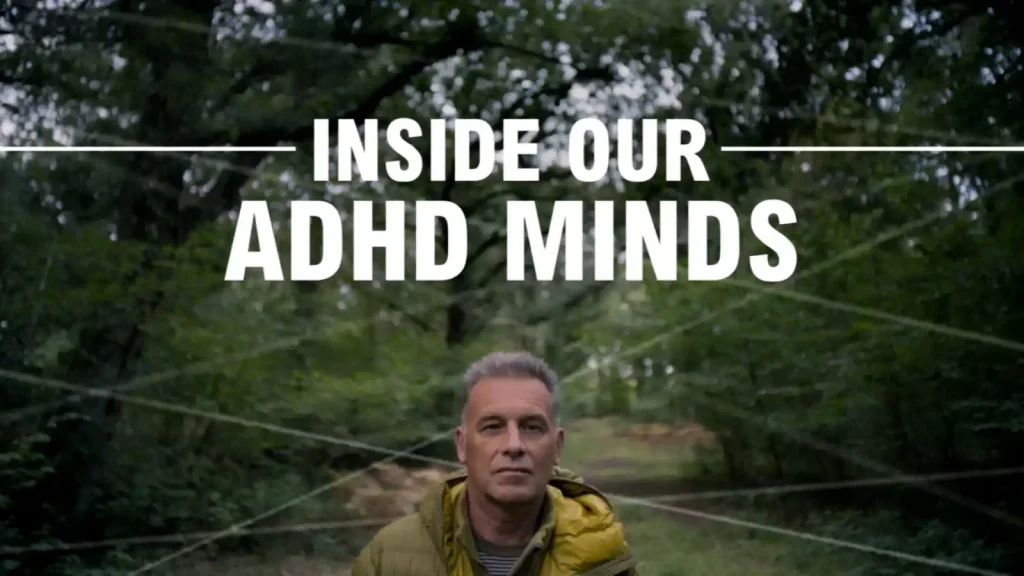
Chris Packham’s documentary, “Inside Our ADHD Minds,” embarks on a crucial mission. It aims to illuminate the often-misunderstood condition of Attention Deficit Hyperactivity Disorder. The program notes that one in seven people possess brains that operate differently. Indeed, diagnoses of ADHD, dyslexia, and autism are rising. However, neurodivergent individuals face higher risks of depression, anxiety, and suicidal thoughts. Packham sees this as a hidden crisis.
Consequently, he seeks to empower neurodivergent people to articulate their internal experiences. This installment specifically focuses on ADHD, a condition affecting an estimated one in twenty individuals. Yet, it remains profoundly misunderstood. The documentary pairs two individuals with ADHD, Henry and Jo, with creative professionals. Together, they craft evocative short films. These films aim to explain their inner worlds to family and friends. Ultimately, the goal is to foster a deeper understanding of what having ADHD truly means.
The documentary masterfully weaves together personal narratives, expert insights, and creative visualizations. Chris Packham, himself neurodivergent, serves as an empathetic guide. He first introduces Henry, a young tour guide in London. Henry outwardly appears confident and energetic. His work allows him to channel his ADHD-related energy effectively. However, beneath this surface, Henry struggles significantly. He battles daily frustrations with organization, memory, and punctuality.
For instance, he describes his mind like a “tombola,” randomly spitting out tasks. This makes prioritizing and executive functioning incredibly challenging. His bedroom, a source of shame, becomes a poignant symbol of his internal chaos. This chaos is not due to laziness, but a different way of processing the world. Packham’s gentle probing reveals Henry’s fear of disappointing his family. He particularly worries about their perception of his struggles.
Subsequently, the film introduces Jo, a 51-year-old woman diagnosed with ADHD only two years prior, during menopause. Her journey highlights the challenges of late diagnosis. Jo’s life before diagnosis was a whirlwind of 14 different careers. She constantly chased novelty, a common trait in unmanaged ADHD. Yet, she often felt like a “bad person,” internalizing her difficulties with forgetfulness and organization. Her father once called her a “butterfly,” flitting from one thing to another.

Scan smarter. Create faster. Free.
Download QR & Barcode Studio — Create and scan unlimited QR codes & barcodes.
No paywalls. No limits. 100% Free.

At the time, neither understood the underlying reason. The diagnosis, therefore, was a revelation. It brought relief and an explanation for decades of struggle. However, it also brought grief for the past and anger over what might have been. Jo’s story powerfully illustrates the impact of menopause on ADHD symptoms. Hormonal shifts can significantly exacerbate existing challenges.
“Inside Our ADHD Minds” excels in its presentation of subject matter expertise. Dr. Tony Lloyd, who also has ADHD, clearly explains the core characteristics: impulsivity, hyperactivity, and inattentiveness. He clarifies that ADHD is not a deficit of attention. Instead, it is a difficulty in regulating attention. Dr. Lloyd uses the metaphor of trying to watch six televisions at once. This vividly conveys the constant distractibility experienced by many with ADHD. Furthermore, he discusses the neurological underpinnings.
He explains differences in brain structure and function, particularly the default mode network. Lower levels of dopamine and noradrenaline are also implicated. These neurotransmitters affect motivation, concentration, learning, memory, anxiety, and depression. This scientific grounding helps demystify the condition. It moves the understanding of ADHD away from moral failings towards a neurological difference.
Professor Amanda Kirby further enriches the discussion, particularly regarding ADHD in women. The documentary convenes a workshop where women share their experiences. Many faced late diagnoses, often after years of misdiagnosis or being dismissed. Professor Kirby explains the historical gender bias in diagnostic criteria. These criteria were often based on hyperactive presentations more common in boys. Consequently, girls with inattentive ADHD were frequently overlooked. Their symptoms, like dreaminess or anxiety, were not recognized as ADHD. The film highlights how perimenopause can intensify ADHD symptoms due to hormonal impacts on neurotransmitters like dopamine. This information is relatively new. It underscores the ongoing need for research and awareness, especially for women. The presentation is clear, accessible, and avoids unnecessary jargon.
A significant strength of the documentary lies in its deeply empathetic and humanizing approach. By focusing on Henry and Jo, the film transcends clinical descriptions. It allows viewers to connect with their lived experiences. The creation of the short films is a powerful narrative device. For Henry, “Tombola Man” becomes a tangible representation of his chaotic inner world. This character helps him articulate feelings of being overwhelmed and out of control.
His film aims to show his family that he doesn’t need “fixing” but understanding. For Jo, her film uses dance music and kaleidoscopic visuals. These elements express her journey of self-discovery, her grief, and her eventual empowerment. The raw emotion captured during the recording of her voiceover is particularly moving. She reclaims the label “butterfly” not as a sign of flightiness, but of her unique path.
Inside Our ADHD Minds
The documentary effectively showcases the courage it takes to be vulnerable. Both Henry and Jo confront deep-seated fears and insecurities. Henry worries about his family’s judgment and their attempts to “fix” him. Jo grapples with years of feeling misunderstood and the anger of a late diagnosis. Their willingness to share these intimate struggles is commendable. Moreover, the reactions of their families to the films are profoundly touching.
Henry’s family expresses a newfound understanding of the depth of his emotional struggles. His mother admits her naivety in thinking ADHD only affected school life. Jo’s family, particularly her wife Allie and daughter Katie, gain deeper insight into her past pain. Allie reflects on her own communication, questioning if she inadvertently criticized Jo. These moments highlight the transformative power of open communication.
Another strength is the documentary’s clear educational value. It dispels common myths about ADHD. For example, it clarifies that ADHD is not simply a childhood condition. It also challenges the notion that it is being “overdiagnosed.” Dr. Lloyd points out that ADHD has been significantly underdiagnosed in the UK for decades. The current increase in diagnoses is more of a rebalancing.
The film also touches upon the efficacy of medication. It notes that stimulant medications can be highly effective by increasing dopamine levels. However, it also respects that medication is not the desired or necessary path for everyone. The emphasis is on understanding the condition to manage it effectively. This balanced perspective is crucial for a public often misinformed by sensationalized media.
While “Inside Our ADHD Minds” is impactful, one might consider areas for broader context. The documentary focuses intensely on two individuals. This provides depth but naturally limits the breadth of experiences shown. ADHD manifests in diverse ways. Future explorations could perhaps feature a wider array of individuals. This might include different ages, socioeconomic backgrounds, and co-occurring conditions.
Additionally, while the film touches on diagnosis and personal coping, a deeper dive into systemic supports could be beneficial. This could involve discussing challenges in accessing diagnosis and support services. It might also explore educational and workplace accommodations. However, these are not so much weaknesses of this particular film. They are potential avenues for further documentary work in this important area. The current film achieves its specific aims admirably.
The societal impact of a documentary like “Inside Our ADHD Minds” can be substantial. It fosters empathy and reduces stigma. By allowing viewers into the minds of Henry and Jo, it breaks down stereotypes. It replaces caricatures of ADHD with nuanced, human portraits. This understanding can lead to more supportive families, friendships, and communities. Furthermore, it empowers individuals with ADHD and their families to seek help and advocate for their needs.
The film validates their experiences. It shows them they are not alone. For educators, employers, and policymakers, such documentaries can inform more inclusive practices. They can encourage the development of environments where neurodivergent individuals can thrive. The film’s message is one of hope and acceptance. It champions the idea that being different is not being broken.
Compared to other documentaries on neurodiversity or mental health, “Inside Our ADHD Minds” stands out for its innovative approach. Many documentaries rely on expert interviews and observational footage. This film, however, actively involves its subjects in the creative process. The co-creation of the short films is a unique and powerful element. It gives Henry and Jo agency in telling their own stories. This collaborative method is more empowering than traditional documentary techniques.
While other films might cover a broader spectrum of a condition, this one achieves a remarkable depth of personal insight. It shares the intimate, emotional core of living with ADHD. Its focus on communication within families is also a distinctive strength. The journey is not just about the individual with ADHD. It is also about how their loved ones can learn to understand and support them better. The documentary is less about a clinical overview and more about fostering connection. It feels like a conversation starter, a bridge between worlds.
The film successfully demonstrates that understanding is a continuous journey. For Henry, the process of making his film was like “taking the frost off a windshield.” It allowed for a clearer view of himself and a more honest dialogue with his family. For Jo, sharing her story brought a sense of relief and a step towards healing her anger. Chris Packham concludes that Jo, like a butterfly, is perfect in her unique way. He highlights the “beautiful chaos” that can be part of Henry’s life. These positive reframings are vital. They shift the narrative from deficit to difference, from disorder to a unique way of being.
The documentary leaves viewers with a sense that while challenges exist, so too does the potential for profound self-acceptance and stronger interpersonal connections. It underscores the idea that with empathy and a willingness to listen, we can better support the neurodivergent individuals in our lives, allowing them to truly shine. The stories of Henry and Jo are not just about ADHD; they are about the universal human need to be seen, understood, and loved for who we are.
Beyond Understanding: The Path Forward
“Inside Our ADHD Minds” offers far more than just information about a neurological condition. Rather, it opens a window into the souls of those who experience the world differently. Through Henry and Jo’s courageous vulnerability, we witness the transformative power of authentic self-expression.
The documentary reminds us that understanding begins with listening. When Henry’s family watched his “Tombola Man” film, they finally glimpsed the chaotic whirlwind behind his missed appointments. Similarly, Jo’s wife and daughter gained fresh insight into her decades-long struggle before diagnosis. These moments showcase how shared understanding can heal deep wounds.
Furthermore, the film shatters harmful myths about ADHD. It isn’t simply a childhood condition that people outgrow. Nor is it merely about hyperactivity or an inability to focus. Instead, ADHD represents a different way of processing the world—complete with unique challenges and remarkable strengths.
Our society often values conformity over difference. Yet, this documentary challenges us to reconsider this perspective. What if we embraced neurodiversity as essential to human experience? What if workplaces, schools, and communities adapted to support various thinking styles? The possibilities could be extraordinary.
The journey toward acceptance isn’t always smooth. Henry still struggles with organization. Jo still processes her late diagnosis. However, they now navigate these challenges with newfound self-compassion and family support. Their stories highlight the importance of patience and ongoing dialogue.
Like butterflies emerging from chrysalises, people with ADHD often follow non-linear paths. They may flit between interests, careers, or passions. Yet, as Jo’s story illustrates, this doesn’t represent failure. Instead, it reflects a unique trajectory toward self-discovery and fulfillment.
Moving forward, we must continue such conversations. Every person with ADHD experiences it uniquely. Therefore, we need more stories, more understanding, and more acceptance. Additionally, we need systems that support neurodiversity through accessible diagnosis, effective treatments, and inclusive environments.
Ultimately, “Inside Our ADHD Minds” teaches us that differences don’t need fixing. They need understanding. By seeing the world through another’s eyes, even briefly, we grow in empathy and wisdom. Perhaps this is the documentary’s most profound gift—showing us that in embracing neurodiversity, we embrace our shared humanity in all its beautiful complexity.
FAQ Inside Our ADHD Minds
Q: What is Chris Packham’s documentary “Inside Our ADHD Minds” about?
A: The documentary explores the often-misunderstood condition of Attention Deficit Hyperactivity Disorder (ADHD). It follows two individuals with ADHD, Henry and Jo, as they work with creative professionals to craft short films explaining their inner worlds to family and friends. Through these personal journeys, the documentary aims to foster deeper understanding of what having ADHD truly means beyond common stereotypes and misconceptions.
Q: How common is ADHD according to the documentary?
A: According to the documentary, ADHD affects approximately one in twenty individuals. However, despite this significant prevalence, it remains profoundly misunderstood by the general public. The program also notes that one in seven people possess brains that operate differently, with diagnoses of neurodevelopmental conditions like ADHD, dyslexia, and autism increasing in recent years.
Q: How does the documentary explain what ADHD actually is?
A: Dr. Tony Lloyd, who also has ADHD, explains in the documentary that ADHD involves three core characteristics: impulsivity, hyperactivity, and inattentiveness. Importantly, he clarifies that ADHD is not a deficit of attention but rather a difficulty in regulating attention. He uses the powerful metaphor of trying to watch six televisions simultaneously to convey the constant distractibility many with ADHD experience. Additionally, the film explores the neurological differences in brain structure and function, particularly regarding dopamine and noradrenaline levels.
Q: Who are the main individuals featured in “Inside Our ADHD Minds”?
A: The documentary primarily follows two individuals with ADHD. First is Henry, a young tour guide in London who appears outwardly confident yet struggles significantly with organization, memory, and punctuality. Second is Jo, a 51-year-old woman diagnosed with ADHD only two years prior during menopause, after cycling through 14 different careers. Chris Packham, who is neurodivergent himself, serves as an empathetic guide throughout the documentary, connecting their experiences with expert insights.
Q: How does “Inside Our ADHD Minds” address gender differences in ADHD?
A: Professor Amanda Kirby discusses the historical gender bias in ADHD diagnostic criteria, which were often based on hyperactive presentations more common in boys. Consequently, girls with inattentive ADHD were frequently overlooked, with symptoms like dreaminess or anxiety not recognized as ADHD. Through Jo’s story and a workshop featuring women sharing their experiences, the film highlights how many women faced late diagnoses after years of misdiagnosis or dismissal. Moreover, it explores how perimenopause can intensify ADHD symptoms due to hormonal impacts on neurotransmitters like dopamine.
Q: What creative approach does the documentary use to help viewers understand ADHD?
A: The documentary pairs individuals with ADHD with creative professionals to craft evocative short films that explain their inner worlds. For Henry, this results in “Tombola Man,” a tangible representation of his chaotic inner world that helps him articulate feelings of being overwhelmed. Jo’s film, meanwhile, uses dance music and kaleidoscopic visuals to express her journey of self-discovery, grief over late diagnosis, and eventual empowerment. This innovative approach actively involves subjects in the creative process, giving them agency in telling their own stories.
Q: What common myths about ADHD does the documentary challenge?
A: The documentary dispels several persistent myths about ADHD. First, it clarifies that ADHD is not simply a childhood condition that people outgrow. Second, it challenges the notion that ADHD is being “overdiagnosed,” with Dr. Lloyd pointing out that it has actually been significantly underdiagnosed in the UK for decades. The film also moves beyond stereotypes of ADHD as just hyperactivity, showing how it affects executive functioning, emotional regulation, and social relationships. Furthermore, it shifts understanding away from moral failings toward recognition of neurological differences.
Q: How does the documentary portray medication for ADHD?
A: The documentary takes a balanced approach to ADHD medication. It notes that stimulant medications can be highly effective by increasing dopamine levels in the brain. However, it also respects that medication is not the desired or necessary path for everyone with ADHD. Rather than promoting one approach, the emphasis is on understanding the condition to manage it effectively through various strategies. This nuanced perspective is especially valuable given how often medication for ADHD is either demonized or presented as a universal solution in mainstream media.
Q: What impact does late diagnosis have on people with ADHD?
A: Through Jo’s story, the documentary powerfully illustrates the complex emotional impact of late ADHD diagnosis. While diagnosis brings relief and explanation for decades of struggle, it also triggers grief for the past and anger over missed opportunities. Before her diagnosis at 51, Jo had internalized her difficulties, often feeling like a “bad person” due to problems with forgetfulness and organization. Her experience highlights how many adults, especially women, spend years developing negative self-perceptions before finally understanding the neurological basis of their challenges.
Q: What is the core message of “Inside Our ADHD Minds”?
A: The documentary’s core message is that neurodiversity represents difference, not deficit. Through powerful personal narratives, it demonstrates that people with ADHD don’t need “fixing” but understanding and acceptance. The film shifts the narrative from viewing ADHD as a disorder to seeing it as a unique way of experiencing the world, with both challenges and strengths. Ultimately, it champions the universal human need to be seen, understood, and loved for who we are, while advocating for greater societal awareness and support systems for neurodivergent individuals.