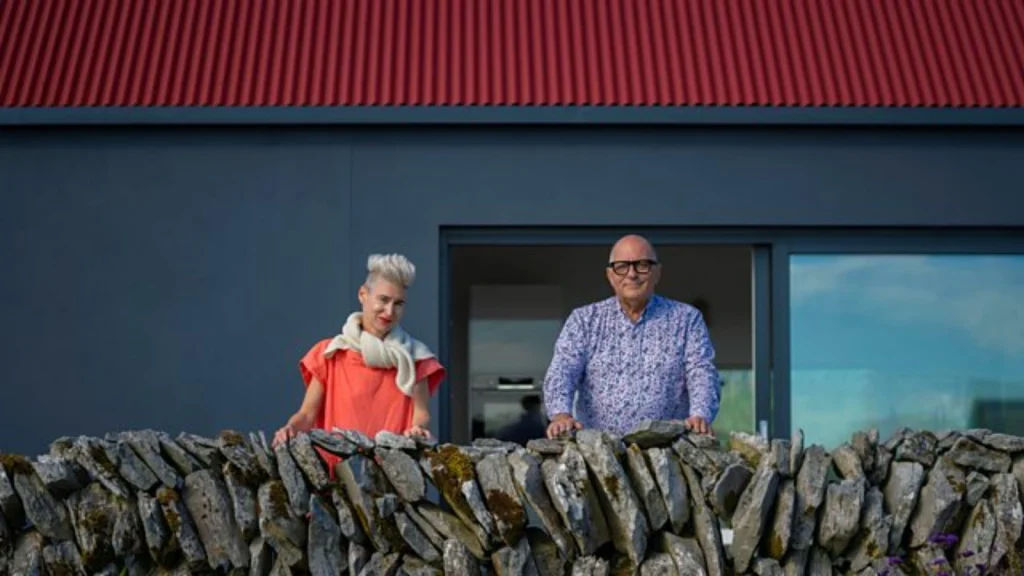
A remarkable story of transformation unfolds in The Great House Revival episode 2 2025, where a derelict herdsman’s cottage in the heart of the Burren becomes a testament to minimalist design and personal vision. This project, undertaken by Galway restaurateur Aoibheann McNamara, is more than a simple renovation; it is a deep dive into creating a home that exists in harmony with its ancient and rugged landscape. The revival explores how a historic property can be reimagined for contemporary life without losing its soul. It balances the desire for a modern sanctuary with respect for the past. Consequently, the journey highlights the complexities of building in a protected area.
The renovation of this modest cottage speaks to a broader movement towards sustainable restoration and a desire to reconnect with a simpler way of life. For Aoibheann, the project was a deliberate retreat from her busy urban existence, seeking tranquility in the stark beauty of County Clare. Her approach prioritized a low environmental impact, aiming to integrate the home into its 32-acre surroundings, which include a hazel forest and space for beehives. This commitment to sustainability guided many of her design and material choices throughout the build, presenting a model for modern rural living.
The scope of The Great House Revival episode 2 2025 covers the entire process, from stripping back the dilapidated structure to its final, carefully curated state. Viewers witness the architectural challenges that arise when blending old with new, particularly in a location as sensitive as the Burren. The project involves restoring the original three-room cottage and adding a modern, yet sympathetic, extension linked by a glass corridor. This juxtaposition of eras creates a unique dialogue between past and present, a core theme of the renovation.
The original structure, a herdsman’s cottage dating back to the early 20th century, is a piece of Irish vernacular architecture. Initially believed to have been built in the 1930s, research during the project revealed it was constructed two decades earlier, in 1912. It was made possible by the Land Commission, a revolutionary body that allowed tenants and land workers to own their homes for the first time. The cottage was home to the O’Leary family for generations, and their story is deeply woven into the history of the site, providing a rich historical backdrop to the physical restoration. Aoibheann’s desire to create a new chapter for the dwelling honours this legacy.
The transition from a ruin to a home is marked by a fascinating interplay between creative vision and practical construction. Aoibheann’s artistic and often fluid design process frequently clashed with the pragmatic needs of her contractor, John Cannole. His 40 years of experience building in the area provided a necessary anchor to her evolving ideas. This dynamic, filled with debate and compromise, becomes central to the narrative, illustrating the collaborative, and sometimes conflicting, nature of bringing an ambitious architectural vision to life. It highlights the journey of navigating a complex Burren cottage renovation.

Scan smarter. Create faster. Free.
Download QR & Barcode Studio — Create and scan unlimited QR codes & barcodes.
No paywalls. No limits. 100% Free.

This project embodies a deep respect for the building and its history. The process was about more than just construction; it was about engaging with the land. Aoibheann began growing vegetables for her restaurant on the property, establishing a tangible connection to the earth that would sustain her both personally and professionally. This philosophy of slow food and slow living became the guiding principle for the entire undertaking, a modern interpretation of the subsistence lifestyle of the cottage’s original inhabitants.
The Great House Revival episode 2 2025
Historical Roots and The Great House Revival episode 2 2025
The cottage’s history is deeply embedded in the social and agricultural heritage of Ireland. Oral historian Dr. Tomas Mac Conmara reveals that the local townland name, Liscoogan, indicates at least 2,000 years of human habitation in the area, with “Lis” signifying the presence of ancient ringforts. The ruins of older stone buildings found in the valley below the cottage tell the story of the O’Leary family, who lived on this land through the 19th century, even surviving the Great Famine. The move to the “new” cottage in 1912, built by the Ballyvaughan Rural District Council, marked a significant improvement in their living standards.
This historical context adds profound depth to the renovation featured in The Great House Revival episode 2 2025. Aoibheann’s project is not just building a house but continuing a long story of inhabitation. Her vision for a sustainable existence, focused on growing her own food and living with minimal impact, echoes the lives of those who worked this land for centuries. This connection to the past gives the project a significance that transcends its architectural merits, framing it as a continuation of a long-standing human relationship with the Burren landscape.
The renovation itself was not without its difficulties, many stemming from the unique location. As contractor John Cannole notes, planning permission is incredibly difficult to obtain in the Burren, a protected landscape. This scarcity makes any existing cottage highly sought after. Aoibheann’s ability to secure and restore this historic property was a rare opportunity. The exposure of the site to harsh weather also presented constant challenges, with winter frosts and winds impacting the building schedule and demanding robust construction methods to protect the old stone walls.
The Collaborative Challenge: Design Meets Construction
The dynamic between homeowner Aoibheann McNamara and contractor John Cannole forms a compelling core of the renovation story. Aoibheann, with a background in art and design, approached the project with a creative and often spontaneous methodology. Her vision for the house was deeply personal and evolved as she inhabited the spaces, leading to new ideas like a second mezzanine, a climbing wall, and changes to exterior finishes. This fluid process, while artistically driven, created significant architectural challenges for the building team.
John Cannole, a local builder with four decades of experience, represented the practical realities of construction. He required firm decisions on everything from the stove’s location to the electrical layout to keep the project on schedule and within budget. The documentary captures numerous instances of this creative tension, with John gently pushing for decisions and Aoibheann asking for time to let her ideas settle. According to John, changes from clients are normal, but there comes a time when you have to say “stop” to get the job finished.
Ultimately, their relationship, described by the presenter as “adversarial,” was key to the project’s success. Aoibheann’s ambitious, unconventional ideas pushed the boundaries of a standard renovation, while John’s expertise ensured these ideas were executed with integrity and skill. This balance of push and pull, of creative vision and practical grounding, resulted in a home that is both unique and well-crafted. As Aoibheann admits, she has enormous respect for the integrity of John’s work, and the final result would not have been possible without their collaborative, if sometimes challenging, relationship. This journey showcases the hurdles of a Burren cottage renovation.
A Bespoke Home Takes Shape
The finished home is a masterclass in minimalist design and customization. Every detail, from the colour of the grout to the structure of the staircase, reflects Aoibheann’s singular vision. Inside, the design philosophy is one of decluttered simplicity. She aimed for a serene environment where she could escape the “cluttered situation” of modern life. The interior is predominantly white, creating a gallery-like backdrop for carefully chosen pops of colour and bespoke elements. These include the bold yellow of the mezzanine’s mesh banisters and the ochre stitching in the pared-back curtains.
One of the most striking features is the custom-built staircase leading to her son Oni’s mezzanine bedroom. Designed by architect Mike Haslam, the alternate half-steps were a clever space-saving solution. The industrial feel of the metalwork, created by Alan Smith, provides a sharp, modern contrast to the soft white walls. Aoibheann’s commitment to a pared-back aesthetic meant eliminating anything superfluous; even the bed in her own room is resolutely placed in a corner to maximize space, a decision she held onto from day one.
The exterior of the house also reflects a bold and personal choice. Inspired by Derek Jarman’s Prospect Cottage in Dungeness, Aoibheann was determined to have a black finish on the modern extension. This decision was met with some resistance, but she remained firm, believing the dark colour would sit well in the landscape and complement the lipstick-red roof. The final effect is an arresting combination of grey and red at the rear of the property, a dramatic statement against the muted tones of the Burren. The Great House Revival episode 2 2025 documents how these specific, often unconventional, choices culminate in a truly unique home.
When Old Stones Tell New Stories: The Enduring Power of Thoughtful Restoration
Aoibheann McNamara’s journey from urban restaurateur to Burren dweller offers more than just renovation inspiration—it presents a blueprint for how we might all reconsider our relationship with place, history, and home. In an era when we’re constantly chasing the next big thing, her project whispers a different truth: sometimes the most revolutionary act is simply listening to what already exists.
The genius of this Burren cottage transformation lies not in its dramatic before-and-after reveal, but in its patient dialogue between past and present. Where many renovations bulldoze through history to impose contemporary will, Aoibheann chose the harder path of collaboration—with the land, with the building’s bones, and yes, even with the occasionally exasperated John Cannole. Their creative tension mirrors the broader challenge we all face when trying to honor tradition while meeting modern needs. Her willingness to let the design evolve organically, even when it frustrated her contractor, speaks to a deeper understanding that the best homes aren’t just built—they’re grown.
The cottage’s story resonates because it taps into something many of us crave: authenticity in an increasingly artificial world. The O’Leary family’s century-long stewardship of this land, the ancient ringforts dotting the landscape, the careful preservation of vernacular architecture—these aren’t just historical footnotes. They’re reminders that true luxury isn’t about square footage or smart home technology, but about belonging somewhere meaningful. Aoibheann’s commitment to growing vegetables for her restaurant on the same soil where previous generations scratched out their living creates a continuity that no amount of money can manufacture.
Perhaps most compelling is how this project challenges our assumptions about progress. In a culture obsessed with bigger, faster, newer, here’s a woman who found freedom in constraint—working within the protected Burren landscape, respecting the cottage’s modest proportions, embracing the slow rhythms of rural life. Her minimalist interior, with its gallery-white walls and carefully chosen yellow accents, proves that limitation can birth creativity rather than stifle it.
For anyone contemplating their own relationship with home and place, Aoibheann’s story offers practical wisdom wrapped in poetic possibility. Whether you’re renovating a city apartment or dreaming of rural escape, the principles remain the same: listen more than you impose, collaborate rather than dominate, and remember that the most sustainable design choices often spring from the deepest respect for what came before.
The Burren cottage stands now as more than shelter—it’s a manifesto for mindful living, proof that we can honor the past while creating space for our own stories to unfold. In a world that sometimes feels unmoored from history and place, such projects remind us that home isn’t just where we live, but how we choose to belong.
FAQ The Great House Revival episode 2 2025
Q: What is The Great House Revival episode 2 2025 about?
A: The Great House Revival episode 2 2025 follows Galway restaurateur Aoibheann McNamara’s remarkable transformation of a derelict 1912 herdsman’s cottage in the Burren. Additionally, the episode showcases how she created a minimalist sanctuary that harmoniously blends historic preservation with contemporary design. Furthermore, viewers witness the entire renovation process, from stripping back the dilapidated structure to achieving a carefully curated modern home that respects its ancient landscape setting.
Q: Where is the Burren cottage located and why is it significant?
A: The cottage sits in Liscoogan, County Clare, within the protected Burren landscape—a unique karst region with over 2,000 years of documented human habitation. Moreover, the townland name itself indicates ancient ringforts in the area. Consequently, planning permission in this sensitive environment is extremely difficult to obtain, making any existing cottage highly sought after. Therefore, Aoibheann’s successful restoration represents a rare opportunity to revive Irish vernacular architecture.
Q: What is the historical background of Aoibheann McNamara’s cottage?
A: Originally constructed in 1912 by the Ballyvaughan Rural District Council, this three-room cottage was built through the revolutionary Land Commission program. Previously, the O’Leary family had lived on this land for generations, surviving even the Great Famine in older stone buildings below. Subsequently, the 1912 cottage represented a significant improvement in living standards. Furthermore, oral historian Dr. Tomas Mac Conmara confirms continuous human habitation spanning millennia, adding profound historical depth to the renovation project.
Q: What were the main challenges of renovating in the Burren landscape?
A: The Burren’s protected status created significant planning permission hurdles, as contractor John Cannole explains from his 40 years of local experience. Additionally, the exposed site faced harsh weather conditions, with winter frosts and winds constantly impacting the building schedule. Moreover, robust construction methods were essential to protect the original stone walls. However, these constraints ultimately enhanced the project’s authenticity, ensuring the renovation respected both the building’s heritage and its dramatic natural setting.
Q: How did Aoibheann McNamara approach the minimalist design aesthetic?
A: Aoibheann’s design philosophy centered on decluttered simplicity, creating a serene environment to escape modern life’s “cluttered situation.” Consequently, the interior features predominantly white walls that function as a gallery-like backdrop. Meanwhile, carefully chosen color pops include bold yellow mesh banisters and ochre curtain stitching. Furthermore, every detail reflects her singular vision, from grout color to staircase structure, eliminating anything superfluous while maximizing the modest space through strategic furniture placement.
Q: What sustainable practices were incorporated into the renovation?
A: Aoibheann prioritized low environmental impact throughout the project, aiming to integrate the home seamlessly into its 32-acre surroundings. Additionally, she established vegetable gardens for her restaurant, creating tangible connections to the land. Moreover, the property includes hazel forest preservation and designated beehive spaces. Therefore, her approach embodies slow food and slow living principles, presenting a modern interpretation of the subsistence lifestyle practiced by the cottage’s original inhabitants while promoting sustainable rural living.
Q: How did the collaboration between Aoibheann and contractor John Cannole work?
A: Their relationship, described as “adversarial” yet essential, created compelling creative tension throughout the project. While Aoibheann’s artistic, fluid design process evolved organically with spontaneous ideas, John’s pragmatic approach required firm decisions to maintain schedule and budget. Nevertheless, their collaborative dynamic resulted in numerous debates and compromises. Ultimately, Aoibheann’s unconventional vision pushed renovation boundaries, while John’s expertise ensured skilled execution. Therefore, this balance of creative ambition and practical grounding produced a uniquely crafted home.
Q: What are the most distinctive architectural features of the renovated cottage?
A: The custom-built staircase, designed by architect Mike Haslam with alternate half-steps, creates a clever space-saving solution with industrial metalwork by Alan Smith. Additionally, the modern extension features a striking black finish inspired by Derek Jarman’s Prospect Cottage, complementing the lipstick-red roof. Moreover, a glass corridor links old and new structures, facilitating dialogue between eras. Furthermore, son Oni’s mezzanine bedroom showcases bespoke design elements throughout this masterclass in minimalist customization and thoughtful restoration.
Q: How does the project connect modern living with historical preservation?
A: The renovation continues a long story of human inhabitation rather than simply building a house. Furthermore, Aoibheann’s sustainable food-growing practices echo centuries of land stewardship by previous generations. Additionally, the project respects Irish vernacular architecture while incorporating contemporary elements like the glass corridor connecting old and new. Moreover, this approach demonstrates how modern sanctuary desires can coexist with deep historical respect, creating continuity that transcends mere architectural achievement through meaningful landscape relationships.
Q: What lessons can other renovation projects learn from this Burren cottage transformation?
A: The project demonstrates that successful renovations require patience, collaboration, and respect for existing structures rather than imposing contemporary will. Additionally, Aoibheann’s willingness to let design evolve organically, despite contractor frustrations, shows that authentic homes grow rather than get simply built. Moreover, working within constraints—like protected landscape requirements—can enhance creativity rather than limit it. Therefore, the key principles include listening more than imposing, collaborating rather than dominating, and finding sustainable design solutions through deep historical respect.